
A slab leak comes from a pressurized water line under your concrete floor and keeps running day and night, while foundation moisture comes from soil, rain, and drainage and rises and falls with the weather.
Our Oklahoma City plumbing team offers leak detection across the metro, and the quickest way to separate the two is a water meter check combined with a simple look at how the moisture behaves over several days.
Slab leak vs foundation moisture is one of the most common questions Oklahoma City homeowners ask, because the clues overlap. A damp corner, a musty room, or a slightly shifted door frame can come from either source. The sections below explain how each one behaves, what Oklahoma’s clay soil adds to the picture, and which home tests give you reliable answers.
What a Slab Leak Means for an Oklahoma City Home
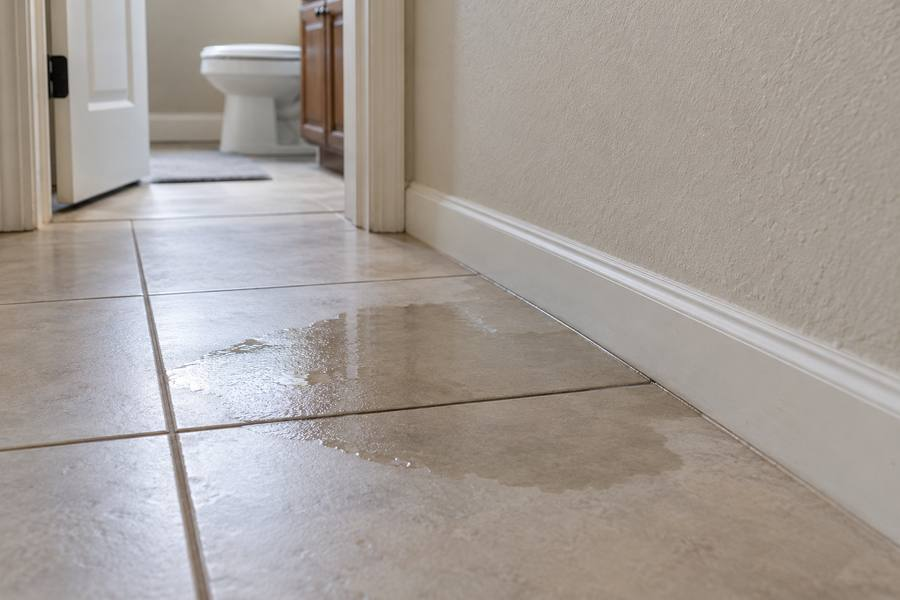
A slab leak is a water supply line, either hot or cold, that releases water beneath or inside the concrete slab your house sits on. Copper, PEX, and older galvanized lines can all run through or under the slab, and a pinhole opening or a loose joint is enough to release a steady flow.
Because the line is under pressure, the water has no off switch. It moves 24 hours a day, which creates a recognizable pattern:
- Your water meter keeps moving when every fixture is closed
- Your water bill climbs without a change in household habits
- You hear faint running or hissing sounds in a quiet house
- A section of floor feels warm when a hot water line is involved
- Water pressure at the faucets feels softer than usual
The common thread is constant activity. A slab leak does not take a day off when the sky is clear.
What Foundation Moisture Means for an Oklahoma City Home
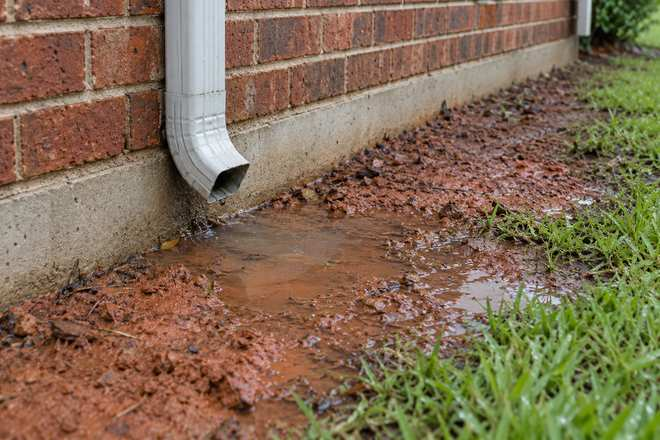
Foundation moisture is water that reaches the slab or the soil around it from outside sources. Rainfall, roof runoff, sprinkler spray, low spots in the yard, and groundwater all contribute. The water travels through the soil and, in some homes, moves upward through the concrete as vapor.
This type of moisture follows the environment. It often appears after a heavy spring storm, fades during a dry August stretch, and shows up along the outer walls more than in the middle of the house. Your water meter stays quiet during a meter test, because no pressurized line is releasing water.
Why Oklahoma Clay Soil Makes the Question More Interesting
Much of the Oklahoma City metro sits on expansive clay, a shrink swell soil that grows when it absorbs water and contracts as it dries. That movement shapes how foundations behave in Edmond, Moore, Norman, Midwest City, Yukon, Mustang, and Bethany alike.
Here is why this matters when you compare a slab leak with foundation moisture:
- Seasonal movement is normal. Long dry spells followed by heavy rain change the soil volume around your home, and the slab edge can rise or settle slightly as a result.
- Edge lift can mimic leak symptoms. When soil along the perimeter absorbs water, the outer part of the slab can lift faster than the center, which may shift doors and trim.
- A slab leak can feed the clay. A supply line releasing water under the house saturates the soil from below and can create uneven movement on its own.
- Trees and drainage shape moisture patterns. Large trees draw water from the soil near a foundation, and downspouts that empty close to the walls deliver extra water to one side of the house.
Moisture control around the foundation is a central idea in Oklahoma home care, and plumbing line condition is part of that same picture. Dry weather soil shrinkage, wet season soil swelling, and a hidden supply line can all influence the same corner of a house, which is why a few targeted tests are so helpful.
Slab Leak vs Foundation Moisture: Side by Side
| Clue | Slab Leak | Foundation Moisture |
|---|---|---|
| Water meter with all fixtures closed | Keeps moving | Stays still |
| Timing | Constant, any weather | Follows rain, irrigation, and seasons |
| Warm floor spot | Possible with a hot line | Not typical |
| Location | Often along the plumbing route | Often along exterior walls and low areas |
| Water bill | Rises without explanation | Stays steady |
| Sound | Faint running or hissing | Quiet |
| Moisture under plastic test | Appears under the plastic and repeats | Varies with humidity and weather |
Home Tests That Give You Real Answers
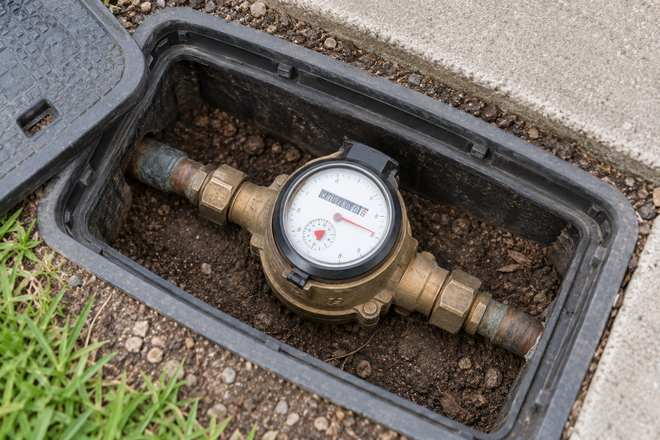
The Water Meter Test
The meter test is the most dependable first step. Close every faucet, pause the dishwasher and washing machine, and confirm no one is using water.
Open the meter box and look at the low flow indicator, which is usually a small triangle or dial. If it spins while everything is off, water is moving through a line somewhere.
The EPA’s WaterSense program describes the same approach in its guide to finding household leaks, including comparing meter readings before and after a two hour pause in water use.
A still meter points toward environmental moisture. A moving meter points toward a plumbing line, which could sit under the slab, in a wall, at an irrigation connection, or in the yard.
The Hot Side and Cold Side Check
If the meter moves, shut the valve feeding your water heater and watch the indicator again. When the movement stops, the opening is on the hot water side. When it continues, the cold side is the likely source. This narrows the search area before any specialist arrives.
The Plastic Sheet Test
Tape a two foot square of clear plastic tightly to a bare section of floor, seal all four edges, and leave it for 24 to 48 hours. Moisture collecting on the underside of the plastic suggests water vapor is rising through the slab.
Moisture on the top surface suggests humid indoor air meeting a cool floor, which is a ventilation matter. Repeat the test in two or three spots, including one near an exterior wall and one near a bathroom or kitchen plumbing wall.
The Warm Floor Walk
Walk the house barefoot in the morning before the heating or cooling cycle runs. A consistently warm patch on tile, vinyl, or hardwood, especially in a hallway or near the water heater, can indicate a hot water line beneath the slab.
The Weather Journal
Keep a short note for a week or two. Record rainfall, sprinkler run times, and the moisture you observe. Foundation moisture tends to line up with those events. A slab leak keeps its own schedule.
Signs That Point to Foundation Moisture
- Dampness along an exterior wall after storms.
- Musty air that improves during dry stretches.
- Soil that slopes toward the house.
- Gutters that overflow or downspouts that end near the foundation.
- Efflorescence, the white mineral dust that forms on concrete when moisture evaporates.
- A steady water meter during the isolation test.
Signs That Point to a Slab Leak
- A moving water meter with every fixture closed.
- A warm section of flooring.
- Running water sounds in a quiet home.
- Moisture that stays in the same spot regardless of weather.
- A water bill that rises with no change in household use.
- A cluster of signs that all trace back to the same area of the house.
What Professional Leak Detection Adds
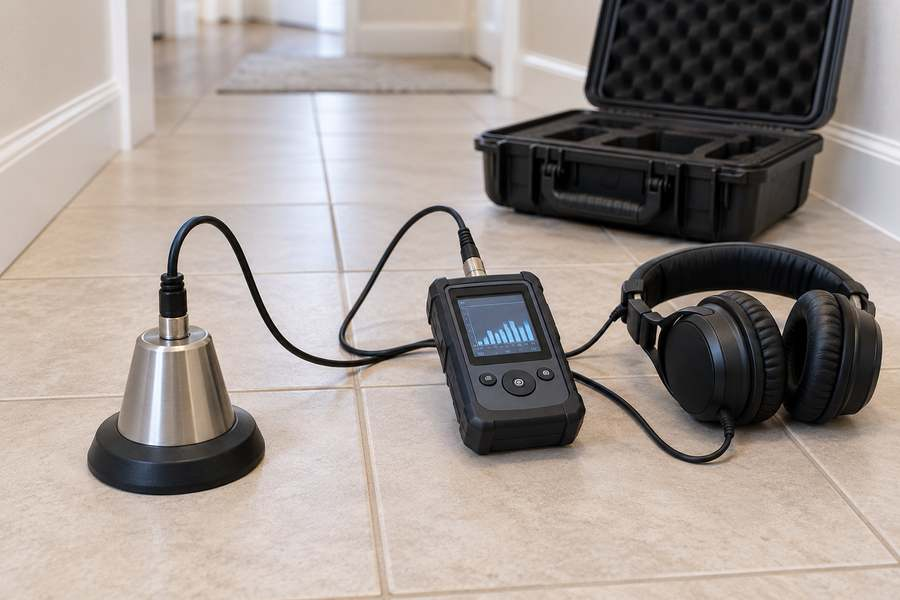
When home tests suggest a pressurized line, professional leak detection narrows the location without opening the floor. Technicians use several methods together:
- Acoustic listening picks up the sound pattern of water escaping from a pressurized pipe.
- Thermal imaging shows heat patterns from hot water lines through flooring.
- Pressure testing isolates individual branches of plumbing.
- Electronic line tracing maps the pipe route under the slab.
- Tracer gas helps confirm difficult locations.
- Moisture meters compare readings across floors and baseboards.
Many Oklahoma homes built in recent decades use post tension slabs, which contain tensioned steel cables. Precise line tracing helps protect those cables, since the cable layout matters whenever a floor is opened. If you would like to see what a detection visit includes, our page on leak detection in Oklahoma City walks through the process.
What to Do Next
- Run the meter test and write down the result.
- Check the hot side and cold side by closing the water heater valve.
- Place plastic sheets in two or three spots and review them after 48 hours.
- Walk the exterior and look at gutters, downspouts, grading, and sprinkler heads near the foundation.
- Note any signs that follow rainfall and any that stay constant.
With those notes in hand, a plumber can move quickly. If the findings point toward a supply line, slab leak repair options range from rerouting a line through the attic or walls to targeted access at the exact location. A homeowner whose findings lean toward a yard or main line can read about water line repair in Oklahoma City to see how those jobs differ.
Keeping Moisture Balanced Around Your Home
Oklahoma clay responds best to steady moisture levels. A few habits help:
- Extend downspouts several feet away from the foundation.
- Keep the grade sloping away from the house.
- Water the soil near the foundation evenly during long dry periods, using a slow soaker hose.
- Place large trees at a sensible distance from the slab.
- Check irrigation lines and sprinkler heads each season.
- Review your water bill monthly and compare it with the same month last year.
Frequently Asked Questions
How can I tell if I have a slab leak or just moisture?
Run a water meter test with every fixture off. A moving low flow indicator points to a plumbing line, while a still meter points to moisture from soil, rain, or drainage.
Can Oklahoma clay soil cause floor moisture without a leak?
Yes. Clay holds water tightly, and rain, runoff, and irrigation can send moisture toward the slab edge and upward through concrete as vapor.
Do warm spots on the floor always mean a slab leak?
Warm spots most often relate to a hot water line beneath the slab, though sunlight, floor heating, and ductwork can also warm a surface. A meter test and a hot side check help confirm the cause.
Can a slab leak shift my foundation?
Water from a supply line can saturate the clay beneath a home and contribute to uneven soil movement, which is why locating the line early supports the long term health of the slab.
How long should I run the plastic sheet test?
Leave a sealed two foot square in place for 24 to 48 hours, then check which side of the plastic holds moisture.
Who should I call first for a slab leak question?
An experienced plumber with leak detection equipment can confirm a pressurized line. A foundation specialist becomes helpful when the findings point to soil movement or drainage.
Key Takeaway
Constant, weather independent moisture with a moving meter points to a slab leak. Seasonal, rain linked moisture with a quiet meter points to foundation moisture. In Oklahoma City, where expansive clay responds to every shift in moisture, a few careful tests give you a clear starting point and a confident next step.