
When an Oklahoma summer drought hits, the ground beneath your yard shrinks and pulls away from the water lines it once held snugly in place, and that movement is one of the leading causes of sudden underground pipe breaks across the state.
If you live in Oklahoma City and have noticed a wet patch in your yard, a spike in your water bill, or a hissing sound near your meter during a dry stretch, our local plumbing team provides water main inspection and repair service right here in the Oklahoma City metro, and we see this exact pattern every summer.
Why Oklahoma Soil Reacts So Strongly to Heat?
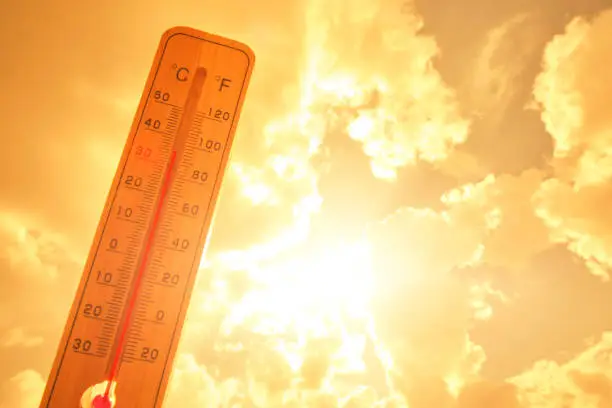
Most of central Oklahoma sits on expansive clay soil. Unlike sandy or loamy ground, clay particles are extremely fine and packed tightly together, which allows the soil to absorb and hold large amounts of water.
That same property works in reverse once the rain stops and temperatures climb into the upper nineties for weeks at a time.
As the moisture evaporates out of the clay, the particles pull closer together and the entire soil mass contracts. Homeowners often see this on the surface first, in the form of long, narrow cracks running across the lawn or along the foundation line.
What happens below the surface is less visible but far more costly, because that same contraction is happening around every water main, sewer lateral, and service line buried in your yard.
Related: Sewer Line Repair
How Shrinking Soil Actually Pulls Apart a Water Main?

A buried pipe depends on the surrounding soil for even, consistent support along its entire length. During a normal season, the clay stays close to the pipe and cushions it from shifting.
During an extended drought, the soil shrinks unevenly, since areas shaded by trees, structures, or landscaping dry out at a different rate than open, sun exposed ground.
This uneven shrinkage creates gaps and voids beneath and beside the pipe. With the support gone in some sections but not others, the pipe is left to bridge the gap on its own.
Rigid materials like older galvanized steel or cast iron have almost no flexibility, so the constant tension eventually opens a joint, splits a fitting, or fractures the pipe wall itself. Even more flexible PVC and copper lines can separate at the joints when the pull is strong enough.
Then, when the drought finally breaks and a heavy summer thunderstorm rolls through, the parched clay reabsorbs water rapidly and swells again almost overnight.
That sudden reversal, from pulling away to pushing back in, is often what turns a stressed pipe into a fully separated one.
Plumbers refer to this seasonal push and pull cycle as one of the most common triggers of an unexpected main break in the middle of summer.
Warning Signs Your Water Main Is Under Stress
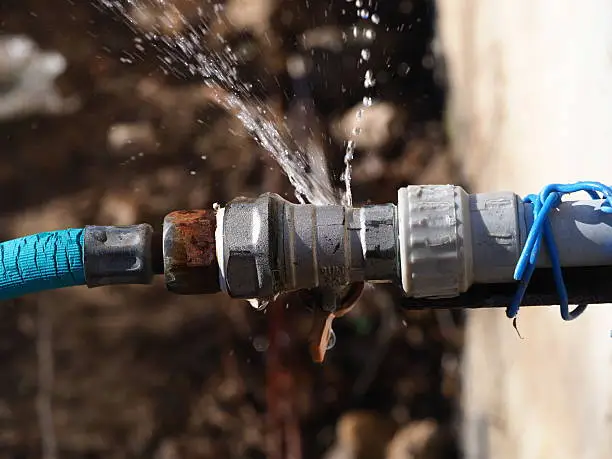
A drought related break rarely announces itself with a dramatic flood. Instead, the signs tend to build gradually:
Unexplained water bill increases. A rising bill with no change in household usage is one of the earliest indicators of a hidden leak feeding into dry soil, since the water disappears before it ever reaches the surface.
Soft, spongy, or unusually green patches of lawn. Even during a drought, a leaking main can create a lush green strip that stands out against the rest of the yellowing grass.
Reduced water pressure throughout the house. A gradual drop in pressure at multiple fixtures can point to water escaping somewhere between the meter and your home rather than a single fixture issue.
A faint hissing or trickling sound near the meter box. This is often audible in the early morning hours when household water use is at its lowest and background noise is minimal.
New cracks appearing in the driveway, walkway, or foundation. Soil erosion caused by an underground leak can undermine nearby concrete, so a new crack paired with a soggy area is worth a closer look.
Recognizing these signs early gives our team the chance to locate and repair a stressed line before it turns into a full break that requires excavation.
Which Pipes Are Most Vulnerable in Drought Conditions?
Not every water line reacts to soil movement the same way. A few factors determine how much risk a given line carries during an Oklahoma summer:
Pipe age and material. Older galvanized steel and cast iron mains, common in Oklahoma City homes built before the 1970s, are rigid and prone to fracturing under soil tension. Copper handles some movement but can separate at soldered joints.
Modern PVC and PEX flex more easily, which generally makes them more resilient, though they are not immune to stress at connection points.
Depth of installation. Shallow lines sit within the layer of soil that experiences the most dramatic moisture swings, so they tend to face more movement than deeper mains.
Proximity to large trees. Mature trees pull enormous amounts of moisture from the surrounding soil during a drought, which accelerates shrinkage near their root zones and increases stress on any pipe running through that area.
Soil composition on the specific lot. Oklahoma City sits on a mix of red clay and shale that expands and contracts more than sandier soil found in parts of the surrounding metro, so two neighboring properties can experience very different levels of movement depending on their exact soil profile.
Why This Pattern Shows Up So Often Across Oklahoma City?
Central Oklahoma’s climate swings between heavy spring rainfall and prolonged summer heat, often within the same season.
That volatility is exactly what expansive clay reacts to most. Homes throughout the metro, from established neighborhoods with decades old infrastructure to newer subdivisions built on reworked clay lots, all sit on ground that goes through this same expansion and contraction cycle every year.
It is one of the reasons water main and slab leak calls tend to climb noticeably once July and August settle in.
How a Professional Diagnoses a Drought Related Break?
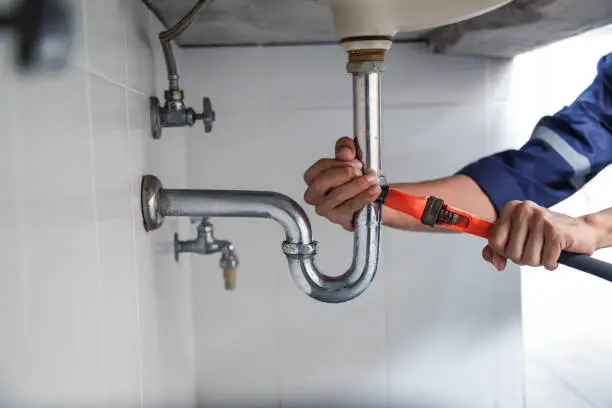
Locating a break caused by soil shrinkage takes more than digging where the yard looks wet, since water traveling through dry, compacted clay can surface many feet away from the actual break point.
Our technicians rely on acoustic leak detection equipment that listens for the distinct sound of pressurized water escaping underground, along with soil moisture readings and line pressure testing to narrow down the exact location before any excavation begins.
This approach keeps yard disruption to a minimum and speeds up the repair timeline considerably.
Practical Ways to Protect Your Water Main During a Drought
You cannot control the weather, but you can reduce the amount of stress your soil places on buried pipes.
Keep the soil near your foundation and main line consistently moist. Running a soaker hose along the perimeter of the house for twenty to thirty minutes a few times a week during extended dry stretches helps maintain steady soil moisture and limits dramatic contraction.
Maintain even watering across the yard. Uneven irrigation, where one section of the lawn stays green while another goes completely dry, creates the exact uneven shrinkage pattern that places extra stress on pipes.
Watch drainage and grading. Make sure gutters and downspouts direct water away from the foundation rather than letting it pool unevenly near buried lines.
Schedule a professional inspection before peak drought season. A camera inspection and pressure test in early summer can catch a weakened joint or a thinning section of pipe before the hottest weeks put it under real strain.
Watch your water meter for hidden movement. Turn off every fixture and appliance in the house, then check whether the meter dial is still moving. Any movement points to water escaping somewhere in the system.
Related: How to Prepare Your Oklahoma City Home to Prevent Frozen Pipes In Winter
When to Call a Plumber?
If you notice any combination of a rising water bill, a soft spot in the yard, reduced pressure, or a new crack near the foundation during a hot, dry stretch, it is worth having a professional take a look before the situation grows into a larger excavation project.
Our Oklahoma City plumber team handles leak detection, water main repair, and full line replacement, and we understand exactly how the local clay soil behaves through every season of the year.
Related: What Oklahoma’s Heavy Spring Thunderstorms Mean for Your Sump Pump?
Frequently Asked Questions
Why do water main breaks increase during Oklahoma summers?
Extended dry weather causes expansive clay soil to shrink and pull away from buried pipes, removing the even support the pipe relies on. That gap creates stress points where joints and fittings are more likely to separate.
Can drought really affect underground pipes if there is no visible leak yet?
Yes. Soil movement can stress a pipe and open a small separation long before it becomes a visible surface leak. Early signs like rising water bills or a green patch of lawn often appear well before any water reaches the surface.
How deep do Oklahoma water mains typically sit?
Most residential water mains sit around two to four feet below the surface, which places them squarely within the layer of soil most affected by seasonal moisture swings.
Does watering my lawn help protect my plumbing?
Consistent, even watering around the foundation and main line helps the surrounding clay maintain a steadier moisture level, which reduces the amount of contraction the soil goes through during a drought.
How can I tell if a water main break is caused by soil shrinkage rather than a manufacturing defect or corrosion?
A professional inspection can usually tell the difference by examining the break pattern, the surrounding soil condition, and the pipe’s age and material. Breaks tied to soil shrinkage typically occur at joints or fittings and often follow a stretch of dry weather.
Is this issue specific to Oklahoma City, or does it happen statewide?
Expansive clay soil covers much of central Oklahoma, so the pattern shows up throughout the region. Oklahoma City’s specific mix of red clay and shale, combined with its swing between wet springs and dry summers, makes local homes particularly prone to this kind of seasonal pipe stress.
If you are seeing any of these warning signs at your Oklahoma City property, our team is ready to inspect your water main, pinpoint the source of the stress, and get it repaired before a small separation turns into a bigger project.