Most plumbing problems don’t start with a burst pipe, they begin with small warning signs that homeowners often overlook. A slow faucet drip, slight drop in water pressure, hidden moisture under a sink, or rust on exposed pipes can all indicate a developing issue.
Catching these problems early can help prevent water damage, mold growth, higher utility bills, and costly emergency repairs.
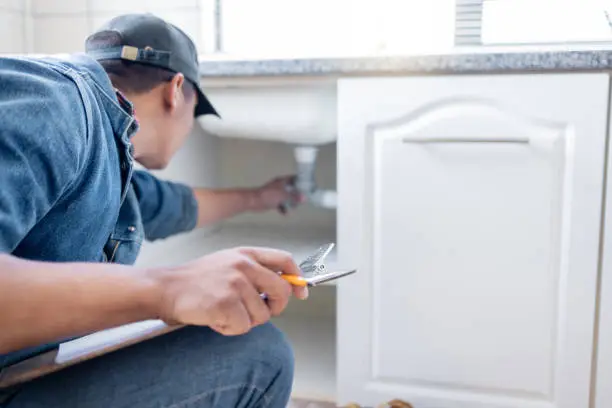
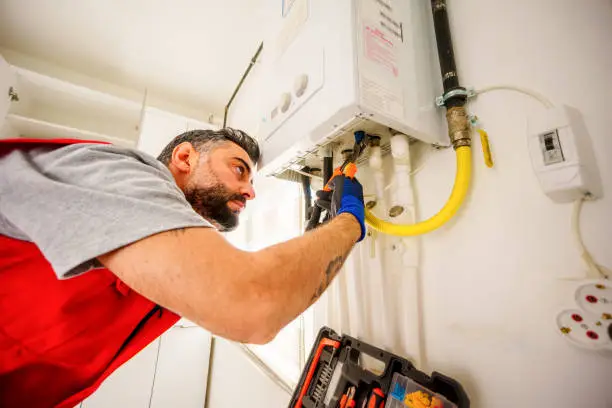
This plumbing inspection checklist walks you through the key areas to inspect throughout your home, helping you identify potential problems before they become expensive repairs.
Why Does a Regular Plumbing Inspection Matters in Oklahoma City?
Oklahoma weather puts real strain on home plumbing systems. Hot summers increase demand on water heaters and irrigation lines, while winter freeze and thaw cycles cause pipes to expand and contract, which can weaken joints and fittings over time.
Many neighborhoods across OKC also have homes several decades old, often with galvanized or cast iron piping that is more prone to corrosion than modern materials. A short seasonal inspection helps you stay ahead of all three factors and protects both your home and your water bill.
Homeowners can also learn more about water conservation from the Oklahoma Department of Environmental Quality.
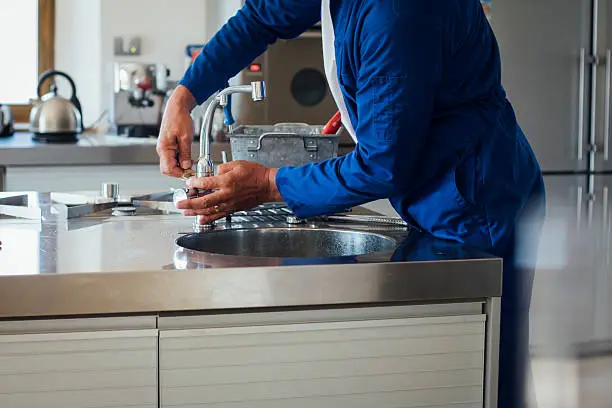
Kitchen Plumbing Checklist
- Check the sink faucet and base for drips, slow leaks, or loose connections.
- Test the water pressure at the tap and note any sudden drop or spray pattern.
- Inspect the supply lines under the sink for cracking, corrosion, or moisture.
- Check the garbage disposal and dishwasher connections for leaks.
- If you have a refrigerator water line, confirm the connection is tight and dry.
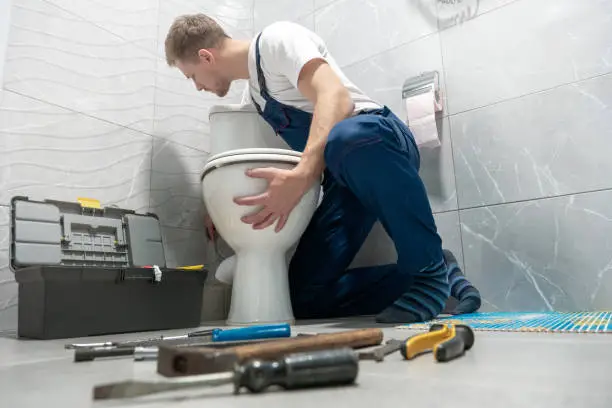
Bathroom Plumbing Checklist
- Check every sink and tub faucet for drips at the spout or the base of the handle.
- Inspect the toilet base for movement, wobbling, or water pooling on the floor.
- Listen for a toilet that runs after the tank fills, which usually points to a worn flapper.
- Check the P trap under each sink for slow drainage or a visible leak.
- Look at caulking around the tub and shower for gaps that could let water reach the subfloor.
Water Heater Checklist
- Look for rust, moisture, or mineral buildup around the base of the tank.
- Check the age of your unit, since most tank water heaters last between eight and twelve years.
- Listen for popping or rumbling sounds, which often signal sediment buildup common with OKC’s harder water.
- Confirm the temperature and pressure relief valve is not leaking or corroded.
- Note the water temperature at the tap, since a sudden change can point to an internal issue.
Under Sink and Cabinet Checklist
- Open every cabinet under a sink and check for moisture, warping, or a musty smell.
- Confirm shut off valves at each fixture turn smoothly in both directions.
- Check flexible supply hoses for cracking, bulging, or brittle rubber.
Basement, Crawl Space, and Utility Area Checklist
- Inspect all visible pipes for corrosion, sweating, or small drips at the joints.
- Check the main water shut off valve and confirm it opens and closes without resistance.
- Locate your sewer cleanout and confirm it is accessible and free of damage.
- If you have a sump pump, test that it activates and drains properly.
Outdoor Plumbing Checklist
- Check hose bibs and outdoor spigots for dripping or slow leaks.
- Inspect irrigation lines and sprinkler heads for breaks, especially before the summer watering season.
- Confirm outdoor faucets are properly insulated ahead of the first hard freeze.
- Walk the yard for unusually soft, soggy, or bright green patches, which can indicate a hidden sewer or water line leak.
Related: How to Prepare Your Oklahoma City Home to Prevent Frozen Pipes In Winter
Water Pressure and Main Line Checklist
- Attach a pressure gauge to an outdoor spigot and confirm your reading falls in a normal range.
- Note any sudden drop in pressure throughout the home, which can point to a main line issue.
- If your home is older or has a history of slow drains, consider a camera inspection of the sewer line to check for root intrusion or pipe deterioration.
Related: How Oklahoma City’s Red Clay Soil Destroys Underground Plumbing Lines?
How Often Should You Run This Checklist?
A simple visual check indoors and outdoors once a season keeps most issues from going unnoticed. Beyond that, we recommend a full professional inspection once a year, and twice a year for older Oklahoma City homes or properties with a history of leaks, slow drains, or plumbing repairs.
Related: How to Fix a Leaky Faucet?
When to Call a Licensed Plumber?
Many items on this checklist are simple enough to handle yourself, and catching them early is exactly the point. A few signs call for a professional right away: water pressure that suddenly drops throughout the house, a sewer smell indoors, recurring clogs in more than one drain, or visible corrosion on your main line.
Our licensed plumbers serve homeowners throughout Oklahoma City with full inspections, camera line checks, and same day repairs when something on this checklist needs a closer look.
Frequently Asked Questions
What does a plumbing inspection include?
A full plumbing inspection checks every fixture, supply line, drain, water heater, and main line in the home for leaks, corrosion, water pressure issues, and proper installation.
How often should I get a plumbing inspection in Oklahoma City?
Most homes benefit from one professional inspection per year, while older homes or those with a history of plumbing issues do well with a check every six months.
Can I do a plumbing inspection myself?
Yes, a visual inspection of visible pipes, fixtures, and connections is something most homeowners can do, though hidden issues inside walls or underground lines require a licensed plumber and specialized equipment.
What are the most common plumbing issues found during an inspection?
The most common findings are slow drips at faucets, worn supply lines, corrosion at pipe joints, and water heaters nearing the end of their expected lifespan.