
Oklahoma City’s red clay soil expands when it absorbs moisture and shrinks as it dries out, and this constant swelling and contracting movement is what puts steady pressure on underground plumbing lines until cast iron cracks and PVC joints pull apart, which is exactly the kind of damage our Oklahoma City plumbing team repairs every week across the metro.
Why Oklahoma City Has So Much Clay Soil Movement?
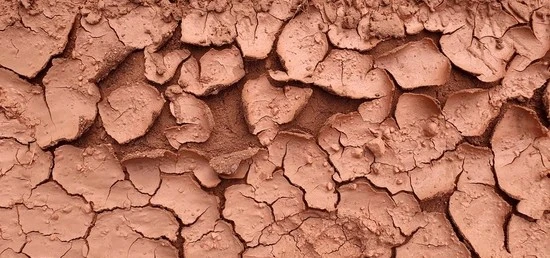
The ground underneath most Oklahoma City neighborhoods sits on a layer of red clay that behaves almost like a sponge. When rainfall soaks into the soil, the clay particles absorb water and swell in volume.
During Oklahoma’s hot, dry summer months, that same clay releases moisture and contracts, sometimes pulling several inches away from anything buried inside it. This cycle repeats every year, and in drought years it happens even faster.
Because the clay found across central Oklahoma has a high mineral content that binds tightly to water, it swells more than sandy or loamy soil found in other parts of the country.
That is why plumbing systems here face more soil related stress than in many other states, and why underground pipes running through this soil are under constant, low level pressure even when everything looks fine from the surface.
How Shifting Soil Cracks Cast Iron Sewer Lines?
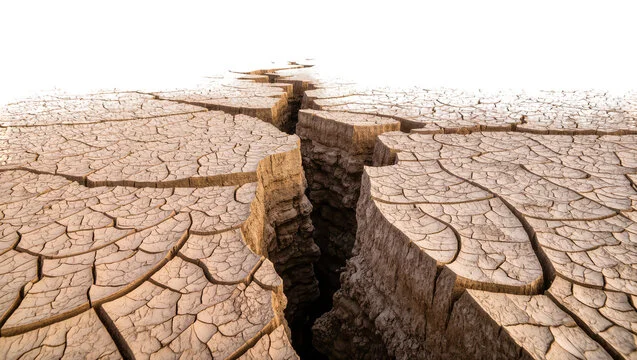
Cast iron sewer lines were the standard choice in Oklahoma City homes built several decades ago, and many of those original lines are still in the ground today.
Cast iron is strong, but it is also rigid, which means it has very little ability to flex when the soil around it moves.
As red clay expands, it pushes against the outside of the pipe from every direction. As it contracts, it pulls away and can leave sections of the line unsupported, creating what plumbers call a belly, or a low dip in the pipe where waste water and debris settle instead of flowing downhill.
Over repeated cycles of swelling and shrinking, this movement stresses the joints where pipe sections connect, and it can eventually crack the cast iron itself, especially at weak points where age has already caused corrosion or scaling on the interior walls.
Once a crack forms, tree roots are often drawn straight to it, since a cracked cast iron line offers moisture and nutrients that nearby root systems seek out. This combination of soil movement and root intrusion is one of the most common reasons OKC homeowners end up with a full sewer line backup.
How Shifting Soil Affects PVC Sewer Lines?
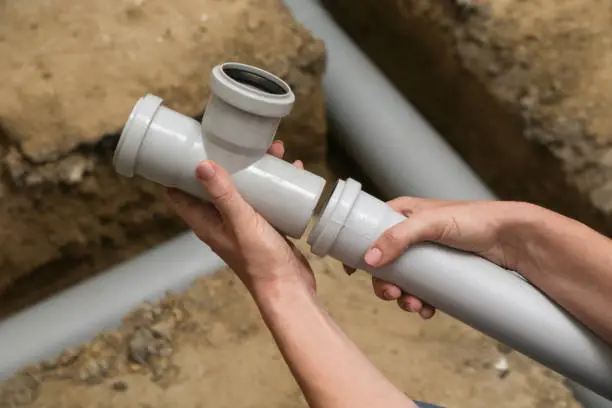
Newer homes across Edmond, Moore, Norman, and the growing OKC suburbs typically use PVC piping instead of cast iron, and PVC does offer better flexibility and corrosion resistance. Even so, PVC is not immune to the effects of expansive clay soil.
Instead of cracking outright the way cast iron does, PVC lines are more likely to experience joint separation.
Each section of PVC pipe is connected using fittings and sealant, and when the surrounding clay repeatedly shifts, those joints can gradually work loose.
This creates small gaps where soil, groundwater, and roots can enter the line, along with points where waste can leak out into the surrounding yard. In severe cases, especially where a PVC line runs beneath a driveway or slab foundation, sustained soil pressure can also cause the pipe to bend or become misaligned enough to restrict flow.
Related: Plumbing Inspection Checklist for OKC Homes
Signs Your Underground Plumbing May Be Affected
Because sewer and water lines run several feet below the surface, most homeowners cannot see the damage happening until symptoms show up inside the home or in the yard.
Some of the clearest signs to watch for include slow draining across multiple fixtures at once, gurgling sounds coming from toilets or tubs, unusually lush or soggy patches of grass above the line’s path, and small settling cracks appearing near the foundation.
Recurring clogs that come back shortly after clearing are also a strong indicator that the underlying issue is a structural one caused by soil movement rather than a simple blockage.
What Our Oklahoma City Plumbers Do About It?

Our team uses video camera inspection to look directly inside the line and pinpoint exactly where soil movement has caused a crack, a belly, or a separated joint, so repairs can be targeted instead of guessed at.
Depending on what the camera shows, we offer trenchless repair and replacement options that avoid digging up an entire yard or driveway, which keeps landscaping and hardscaping intact while still restoring full function to the line.
For sections with more extensive damage, we also handle traditional excavation and full pipe replacement using materials better suited to withstand ongoing clay soil movement.
Because this is such a common issue across Oklahoma City, our plumbers understand which neighborhoods tend to have older cast iron infrastructure, which areas were built on the most reactive clay, and how local soil conditions typically affect pipe placement and depth.
That local knowledge helps us diagnose problems faster and recommend a repair approach that will actually hold up long term.
Simple Steps To Protect Your Plumbing From Soil Movement
Keeping soil moisture more consistent around your home’s foundation is one of the most effective ways to reduce the swelling and shrinking cycle.
Watering the soil near the foundation lightly during extended dry spells, maintaining proper yard drainage so water does not pool in one spot, and keeping large tree roots at a safe distance from sewer lines all help reduce the stress placed on underground pipes.
Scheduling a routine camera inspection every couple of years is also a good way to catch small issues, like an early joint separation, before they turn into a larger repair.
Frequently Asked Questions
Does red clay soil really cause plumbing problems in Oklahoma City?
Yes. The clay found across the OKC metro has a high capacity to absorb and release water, which causes it to expand and contract more than other soil types. This repeated movement places ongoing pressure on underground sewer and water lines, and it is one of the leading causes of pipe damage in the area.
How can I tell if my sewer line was damaged by soil movement rather than a clog?
Soil related damage usually shows up as slow drainage across several fixtures at the same time, recurring backups after cleaning, gurgling sounds, or soggy patches in the yard along the pipe’s path. A single slow drain is more likely a local clog, while whole house symptoms often point to a structural issue in the main line.
Is PVC pipe immune to red clay soil damage?
No. While PVC handles soil movement better than cast iron, ongoing clay expansion and contraction can still work joints loose over time, allowing roots, soil, and groundwater to enter the line.
Do I need to dig up my yard to fix a soil damaged sewer line?
Not always. Many repairs can be completed using trenchless methods that access the line through small entry points, avoiding the need to excavate the entire yard. A camera inspection will determine whether trenchless repair is a good fit for your specific situation.
How often should I have my sewer line inspected in Oklahoma City?
For homes with older cast iron lines or mature trees nearby, a camera inspection every two to three years is a good practice. Newer PVC systems can typically go a bit longer between inspections, though any early warning signs should prompt an inspection right away.