
Preparing your Oklahoma City home to prevent frozen pipes this winter comes down to five things: insulating exposed pipes, sealing crawl space vents, disconnecting hose bibs, letting vulnerable faucets drip on the coldest nights, and knowing your main shutoff valve location before you ever need it.
Our team works with homeowners across the metro every year as the first hard freeze rolls in, and we put together this checklist so you can handle most of the prep yourself in an afternoon, with local plumbing support ready if you want a professional set of eyes on your system first.
Why Oklahoma City Homes Are Especially Vulnerable
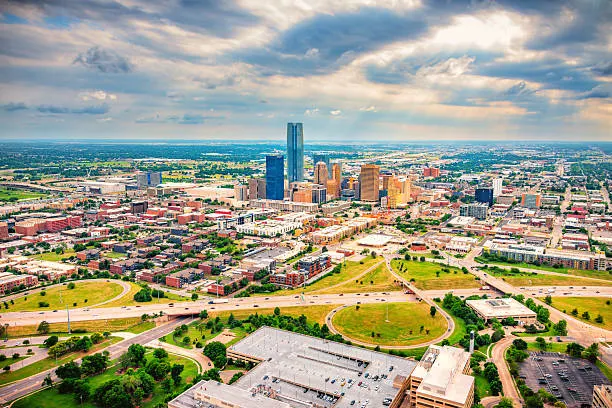
Oklahoma sits in a strange spot when it comes to winter plumbing. Unlike homes built in the northern states, many OKC houses were constructed with milder winters in mind, meaning pipes often run through attics, crawl spaces, and exterior walls with little to no insulation.
When an Arctic front pushes through and temperatures swing forty or fifty degrees in a single day, that lack of insulation becomes the difference between a normal Tuesday and a flooded hallway.
The 2021 winter storm is still the benchmark event locals talk about, and it’s a useful reminder that OKC’s plumbing infrastructure, both citywide and inside individual homes, wasn’t originally engineered for sustained deep freezes.
That’s exactly why a proactive checklist matters more here than it might in Minneapolis or Denver, where homes are built for it from day one.
The Pre Winter Checklist
1. Disconnect and Drain Hose Bibs
Outdoor hose bibs, sometimes called spigots, are usually the first point of failure. Start by disconnecting every garden hose from the exterior of your home. Hoses left attached trap water in the bib itself, and that trapped water expands as it freezes, cracking the fitting from the inside out.
Once the hose is off, drain any residual water from the bib and, if your home has them, shut off the interior valve that feeds it.
Many OKC homes built in the last two decades have frost free hose bibs, but even those benefit from disconnecting hoses before the first freeze.
2. Close and Insulate Crawl Space Vents
If your home sits on a pier and beam foundation, which is common in older OKC neighborhoods like Mesta Park, Heritage Hills, and parts of Edmond, your crawl space vents need attention before temperatures drop. Open vents let cold air circulate directly under your subfloor, right where your water lines run.
Close foundation vents as soon as nightly lows start dipping toward freezing, and consider adding foam vent covers for extra protection.
If you’ve noticed drafts or gaps around your crawl space access door, seal those too. Warm, still air under the house is one of the simplest ways to keep pipes above freezing without spending anything on equipment.
3. Let Vulnerable Faucets Drip
On nights when the forecast calls for temperatures in the teens or lower, let faucets connected to exposed or exterior wall pipes drip steadily, not just a slow trickle.
Moving water resists freezing far better than still water sitting in a pipe. Focus on faucets along north facing walls and any bathroom or kitchen sink positioned above an unheated crawl space.
A useful local tip: if your kitchen sink backs up to your garage, treat that faucet the same as an exterior line. Garages in OKC are rarely insulated to the same standard as living space, and pipes running along that shared wall freeze more often than homeowners expect.
4. Open Cabinet Doors
This one takes ten seconds and gets skipped constantly. Open the cabinet doors under your kitchen and bathroom sinks on cold nights so warm household air can reach the pipes underneath.
It’s a small step, but paired with a dripping faucet, it covers two of the most common freeze points in a typical OKC floor plan.
5. Know Where Your Main Shutoff Valve Is
Every homeowner should be able to locate and operate their main water shutoff valve in under a minute, ideally in the dark, since power outages tend to accompany the same storms that cause pipe freezes.
This valve is usually near the water meter, in a basement, utility closet, or exterior box depending on your home’s age and layout. Test it once before winter arrives to confirm it turns smoothly.
A valve that’s seized up from years of disuse won’t help you in an actual emergency.
6. Seal Gaps Where Pipes Enter the Home
Walk the exterior of your house and look for any spot where a pipe passes through an exterior wall, whether that’s for an outdoor spigot, dryer vent, or gas line. Cold air sneaks through these gaps year round, but in winter it becomes a direct path to your plumbing.
A simple bead of caulk or expanding foam around these entry points closes the gap and keeps your indoor pipe temperature more stable.
7. Insulate Pipes in Unheated Spaces
Foam pipe sleeves are inexpensive and widely available at any OKC hardware store, and they take maybe twenty minutes to install on an average length of exposed pipe.
Prioritize attics, garages, and crawl spaces, since these are the areas most likely to dip below freezing even while the rest of the home stays comfortable.
Related: Plumbing Inspection Checklist for OKC Homes
What to Watch For During a Cold Snap?
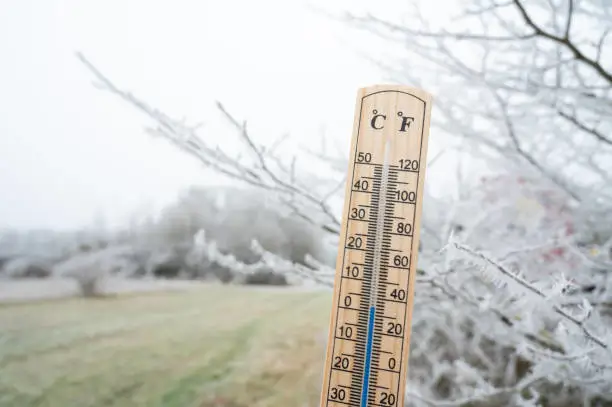
Keep an eye on water pressure and flow throughout any extended freeze. A sudden drop in pressure at one fixture, or a faucet that goes from a normal stream to a thin trickle, often signals ice forming somewhere in that line.
Catching this early, before the pipe fully blocks and pressure builds behind the ice, gives you a much better chance of thawing it safely instead of dealing with a break.
Frost patterns on an exposed section of pipe, or a noticeably colder wall or floor near a plumbing run, are also worth investigating while the weather is still holding, rather than waiting until water starts appearing where it shouldn’t.
Related: Summer Droughts and Plumbing: How Dry Soil Pulls Apart Your Water Mains
Related: Is Oklahoma City Water Hard? What It Means for Your Plumbing Appliances
When to Call a Professional Before Winter Even Starts
A lot of homeowners wait until the forecast shows single digit temperatures before thinking about their pipes, but the smarter window is late fall, while there’s still time to schedule an inspection without competing with every other household in the metro for an appointment.
A licensed plumber can pressure test your system, identify weak joints, and spot insulation gaps you’d never notice walking through the house yourself.
And if a pipe does burst despite your precautions, our plumbers are available 24/7 to shut things down fast and start repairs before a small leak turns into a much bigger cleanup.
Related: How Oklahoma City’s Red Clay Soil Destroys Underground Plumbing Lines?
Why Does Your Water Heater Dies Faster (And How to Fix It)?
Frequently Asked Questions
What temperature causes pipes to freeze in Oklahoma City?
Pipes typically start freezing once outdoor temperatures stay at or below 20 degrees Fahrenheit for several consecutive hours, though poorly insulated pipes in crawl spaces or exterior walls can freeze at higher temperatures during sustained wind chill.
How long does it take for pipes to freeze once temperatures drop?
In an uninsulated or lightly insulated pipe, freezing can begin within six hours of sustained sub freezing temperatures, which is why prepping before the first hard freeze, rather than during it, matters so much for OKC homes.
Should I leave my faucet dripping all winter?
No, dripping faucets are only necessary during nights when temperatures are expected to fall into the teens or below, particularly for fixtures connected to exterior walls, garages, or crawl spaces.
Does homeowners insurance cover frozen pipe damage in Oklahoma?
Most standard homeowners policies cover sudden and accidental water damage from a burst pipe, though coverage can be affected if the home was left unheated or vacant, so it’s worth reviewing your specific policy language before winter arrives.
What’s the first thing I should do if a pipe bursts?
Shut off the main water valve immediately, then turn off electricity to any area near standing water before starting cleanup, and contact a licensed plumber as soon as possible to begin repairs.