
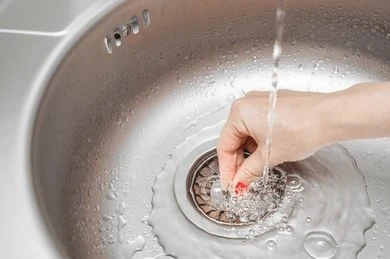
Your drain smells like rotten eggs because hydrogen sulfide gas, the same gas responsible for that sulfur odor, is escaping from somewhere in your plumbing system instead of staying contained.
If you are dealing with a rotten egg smell coming from a drain in your Oklahoma City home, our team at Plumber Oklahoma City OK helps homeowners across the metro pinpoint the exact source, whether it is a dry P-trap, a blocked vent stack, or a more serious sewer line breach, and resolve it safely.
What Causes That Rotten Egg Smell In The First Place?
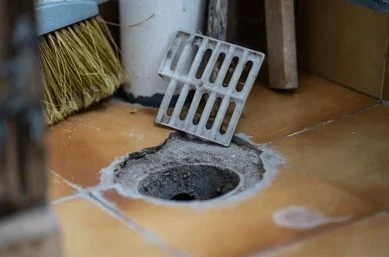
The rotten egg smell almost always traces back to hydrogen sulfide gas. This gas forms when bacteria break down organic material such as food waste, grease, soap residue, and hair inside your pipes.
As these bacteria colonies grow, they release hydrogen sulfide as a byproduct, and even a small concentration of it produces a strong, unmistakable sulfur odor.
In a healthy plumbing system, this gas should never reach the living space of your home. Every fixture, from your kitchen sink to your bathtub, is connected to a drainage system engineered specifically to keep sewer gas on the sewer side of the pipe. When that system works the way it should, you never notice a thing.
When one part of it fails, the smell finds its way in.
The Dry P-Trap: The Most Common Culprit
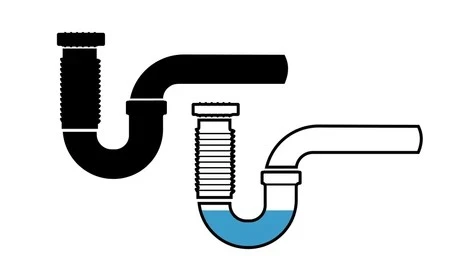
Underneath nearly every sink, tub, and floor drain sits a curved section of pipe called a P-trap. Its shape is intentional. The curve holds a small reservoir of water at all times, and that standing water acts as a physical seal that blocks sewer gas from rising up through the drain and into your home.
The problem starts when that water evaporates. Drains that go unused for weeks, such as a guest bathroom, a basement floor drain, or a laundry room sink you rarely touch, are the most common places this happens.
Once the water level drops low enough, the seal is broken and gas moves freely up through the pipe.
The fix for a dry P-trap is usually simple. Running water into the drain for a few seconds refills the trap and restores the seal almost immediately.
If you have drains that sit idle for long stretches, running water through them every few weeks keeps the seal intact and prevents the smell from returning.
Blocked Vent Stacks And Why They Matter More Than People Think?
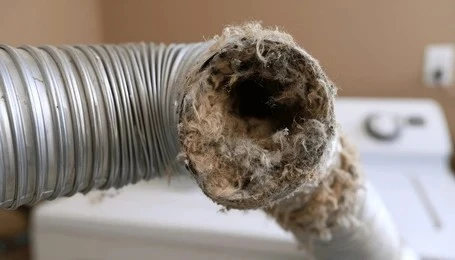
Your plumbing system relies on more than just water pipes. A network of vent stacks, usually running vertically through your walls and out through the roof, allows air to flow in and out of your drain lines.
That airflow keeps pressure balanced, lets water drain smoothly, and stops sewer gas from being pushed backward into your fixtures.
When a vent stack becomes blocked, whether from leaves, debris, a bird’s nest, or even ice in colder months, that pressure balance breaks down. Air has nowhere to go, so instead of venting harmlessly through the roof, sewer gas gets forced back down through your drain lines and into your home.
You may also notice gurgling sounds from your toilet or slow draining fixtures, both of which point to the same root issue.
A blocked vent stack is not something most homeowners can safely diagnose from the ground, since the blockage is usually on the roofline.
This is where a licensed plumber with the right inspection tools can clear the obstruction and confirm your venting system is functioning correctly again.
When The Smell Points To A Sewer Line Breach?
If you have checked your P-traps, your vents seem clear, and the odor keeps coming back, especially if it is showing up in more than one drain at the same time, the cause may be inside your main sewer line itself.
A crack, a collapsed section, or a joint separation in the sewer line allows sewer gas to escape before it ever reaches the point where your plumbing normally vents it safely outside.
This is the scenario that deserves the most attention. A sewer line breach does not just create an odor problem. Over time it can allow soil and groundwater to intrude into the pipe, lead to slow drainage throughout the house, and in some cases affect the ground around your foundation.
Homeowners in Oklahoma City should pay particular attention to this possibility, since the region’s clay heavy soil expands and contracts significantly with seasonal moisture changes, and that movement can stress older sewer lines made of cast iron or clay pipe over time.
If multiple drains smell bad at once, or the smell is paired with slow draining fixtures or damp patches in the yard, a sewer camera inspection is the most reliable way to see exactly what is happening inside the line without any guesswork.
Other Sources Worth Ruling Out
A few additional sources can produce a similar smell and are worth checking before assuming the worst.
Water heater anode rod. If the sulfur smell only shows up in your hot water, the anode rod inside your water heater may be reacting with sulfur compounds naturally present in your water supply. Flushing the tank or replacing the rod typically resolves this.
Garbage disposal buildup. Food particles and grease trapped around the blades of a garbage disposal create an ideal environment for the same odor causing bacteria. Regular cleaning usually clears this up quickly.
Biofilm inside the drain. Over time, grease, soap, and organic debris can coat the inside of a pipe with a thin bacterial layer called biofilm. This buildup releases a mild sulfur smell as it breaks down and often responds well to professional drain cleaning.
How Severe Is This, Really?
Not every rotten egg smell signals an emergency, but the severity does vary depending on the cause. A dry P-trap is a minor, easy fix. A blocked vent stack is a moderate issue that affects your whole drainage system and should be addressed soon.
A sewer line breach is the most serious of the three, since it involves your home’s primary waste line and can allow gas exposure to build up in enclosed spaces over time.
If the smell is faint and limited to one rarely used drain, you likely have time to try a simple fix yourself. If the smell is strong, persistent, coming from multiple fixtures, or paired with gurgling drains, standing water, or a sewage smell outdoors near your yard, it is time to have a licensed plumber inspect the system.
Why Local Expertise Matters For A Problem Like This?
Oklahoma City homes sit on a mix of soil conditions, older neighborhoods with aging cast iron sewer lines, and newer developments with PVC systems, and each of those situations behaves differently when something goes wrong.
We are the most experienced plumber in OKC when it comes to diagnosing exactly which scenario you are dealing with, because we have seen how local soil movement, older pipe materials, and Oklahoma’s seasonal temperature swings each contribute to these odor issues differently across the metro.
Related: What to Do When Your Water Pressure Regulator (PRV) Fails?
Frequently Asked Questions
Is a rotten egg smell from my drain dangerous?
At low levels it is more of a nuisance than a hazard, but a persistent or strong smell can indicate a sewer line issue that deserves prompt attention, since prolonged exposure to higher concentrations of sewer gas is not something to ignore.
Why does only one drain in my house smell bad?
This usually points to a localized issue like a dry P-trap or buildup in that specific fixture rather than a whole home problem, since the drain has simply lost its water seal or accumulated debris.
Can I fix a dry P-trap myself?
Yes. Running water into the affected drain for several seconds typically refills the trap and restores the seal right away, and repeating this every few weeks in low use drains prevents it from happening again.
How do I know if the smell is coming from my sewer line?
If the odor appears in multiple drains at once, is accompanied by gurgling sounds or slow drainage, or you notice a sewage smell outside near your yard, these are signs that point toward the sewer line rather than a single fixture.
How often should I run water in unused drains?
Every two to three weeks is generally enough to keep the P-trap seal intact in guest bathrooms, basement drains, and other fixtures that see infrequent use.