
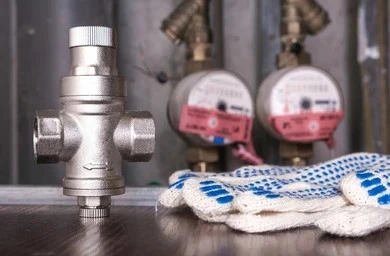
If your water pressure regulator fails, the first thing to do is locate your home’s main shutoff valve and turn off the water supply, then contact a licensed Oklahoma City plumber to inspect, adjust, or replace the valve before the pressure imbalance puts stress on your pipes, fixtures, and appliances.
We provide fast, dependable water pressure regulator repair and replacement across Oklahoma City, and we understand this issue better than most because sudden pressure swings are something OKC homeowners deal with far more often than residents in most other cities.
What a Pressure Regulator Actually Does?
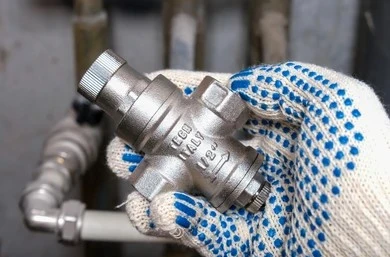
A water pressure regulator, also called a pressure reducing valve or PRV, sits where the main water line enters your home, usually near the meter.
Its job is simple but critical: it takes the high pressure coming from the municipal supply and steps it down to a safe, even level your pipes and appliances can handle.
Inside the valve, a diaphragm and spring work together, constantly adjusting to keep pressure within a livable range, typically between 40 and 60 psi for most homes.
Why Are Sudden Pressure Changes So Common in OKC?
This is where Oklahoma City is a little different from other markets. OKC’s water system pulls from multiple treatment plants, and the pressure leaving each one varies quite a bit depending on the zone you’re in.
Some parts of the city receive water in the upper 80 psi range, while other zones, particularly on the northwest side, have seen documented pressure spikes well above what most home plumbing systems are built for.
Add in Oklahoma’s naturally hard water, which leaves mineral deposits inside valves and pipes over time, and you get a recipe for PRVs that wear out faster and behave less predictably than they would elsewhere.
Water main breaks, hydrant flushing, and seasonal demand swings across the city can also cause temporary pressure surges or drops, which puts extra strain on an aging regulator.
If you’ve noticed your water pressure creeping up, dropping without warning, or swinging between strong and weak throughout the day, your PRV zone and your valve’s condition are usually the two places to look first.
Signs Your PRV Is on Its Way Out
A regulator rarely fails all at once. Watch for these warning signs:
Fluctuating water pressure that alternates between strong and weak, especially when running multiple fixtures at once.
Water hammer, the loud banging or knocking sound in your pipes when a faucet shuts off.
Visible dripping around the valve body or the adjustment screw, which points to a worn internal seal.
Unusually high pressure, where faucets gush harder than normal or your toilet flushes with noticeably more force.
Rising water bills with no clear increase in usage, often a sign of a hidden leak caused by excess pressure.
Appliance strain, including a water heater, washing machine, or dishwasher that seems to be working harder or failing sooner than expected.
What to Do the Moment You Suspect a Failure?
Start by shutting off your main water supply if the pressure feels dangerously high or if you notice active leaking.
Next, check whether you have a pressure gauge on an outdoor spigot; a reading well outside the 40 to 60 psi range confirms the regulator isn’t doing its job. Avoid attempting a full valve replacement yourself.
Adjusting the screw slightly is generally safe, but a stuck, corroded, or internally damaged PRV needs a professional evaluation, since a mistake here can send full municipal pressure straight into your home’s plumbing.
Repair or Replace: How a Professional Decides
Most PRVs last between 10 and 15 years. If yours falls within that range and is showing early symptoms, a straightforward adjustment or part replacement may solve the issue.
Once a valve passes that age or shows corrosion, sediment buildup, or a cracked housing, replacement is almost always the more reliable and cost effective path.
Our technicians test both inlet and outlet pressure, inspect the diaphragm and spring assembly, and walk you through exactly what your home’s zone and valve condition call for before any work begins.
Related: Why Does My Drain Smell Like Rotten Eggs?
Why OKC Homeowners Choose Us for PRV Service?
We are the most experienced plumber team in OKC when it comes to pressure regulator diagnostics and repair, and that local knowledge matters here more than in most cities.
Because our team works across every pressure zone in Oklahoma City, from areas fed by higher output treatment plants to neighborhoods known for pressure spikes, we know what a normal reading looks like block by block, not just citywide.
That local insight means faster, more accurate diagnosis and a fix that’s actually built for your specific water zone.
Related: Why Does Your Water Heater Dies Faster (And How to Fix It)?
Protecting Your Home for the Long Run
Once your regulator is repaired or replaced, an annual pressure check is the simplest way to catch the next issue early.
Given how much OKC’s municipal pressure can shift by season and by zone, a quick yearly inspection is far cheaper than dealing with a burst pipe or a damaged water heater down the road.
If your water pressure feels off, don’t wait for a full failure. Reach out to our Oklahoma City plumbing team today for a same day inspection and get your home’s water pressure back to a safe, steady level.