

Homes in Heritage Hills and Mesta Park often still carry the original galvanized steel or lead supply lines installed when these Oklahoma City neighborhoods were built between 1900 and 1930, and restoring that plumbing the right way means balancing modern code requirements with the character of a century old house.
If you own or are renovating a property in one of these two historic districts, understanding what is actually running behind your plaster walls is the first step toward a restoration that protects both your family’s water quality and the architectural integrity the neighborhood is known for.
We offer plumbing evaluation and restoration guidance for homeowners in these exact districts, and this guide walks through what typically hides in these walls and how a proper restoration is approached.
Why Heritage Hills and Mesta Park Have Such Unique Plumbing Challenges?
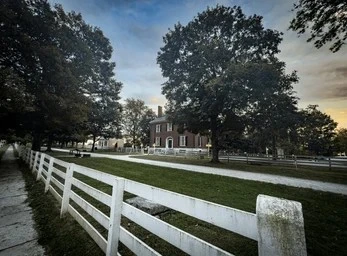
Heritage Hills is Oklahoma City’s first historic preservation district, and together with neighboring Mesta Park it forms a stretch of NW 16th to 23rd Streets between Western and Walker Avenues that has been listed on the National Register of Historic Places since 1983.
The area includes hundreds of contributing structures built during the early boom years of Oklahoma City, ranging from grand Tudor and Colonial Revival mansions near Overholser Mansion to Craftsman bungalows tucked along the tree lined side streets.
That age is exactly what creates the plumbing puzzle. Homes from this era were built long before copper became standard in the 1960s, and decades before PEX and PVC arrived in the 1980s and 1990s.
So the supply lines running through these walls were almost always galvanized steel, and in some cases the original service line connecting the home to the street main was lead. Both materials were considered reliable at the time. Neither one holds up well a century later.
Galvanized Steel Pipes: The Most Common Discovery
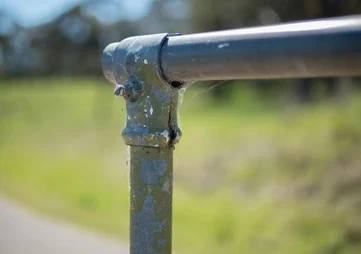
Galvanized steel pipe has a zinc coating meant to protect the steel underneath from rust. That coating has a working life of roughly 40 to 50 years, and virtually every galvanized system in Heritage Hills and Mesta Park is well past that window.
Once the zinc layer wears through, the exposed steel begins corroding from the inside, and mineral deposits build up along the interior walls of the pipe.
This shows up in predictable ways for homeowners. Water pressure gradually drops as the pipe interior narrows with scale. Hot water may run rusty or discolored right after the tap is turned on.
Leaks tend to appear at pipe joints and fittings first, since threaded connections corrode faster than straight pipe runs. And once one section starts failing, nearby sections are usually close behind, because they were installed at the same time and have aged under the same conditions.
The important thing to understand is that galvanized pipe cannot be descaled or restored to a functional state once corrosion sets in.
A section by section repair approach often just shifts the next leak a few feet down the line. This is why full or partial repiping, rather than patchwork repair, is the standard recommendation once a system reaches this stage.
Lead Service Lines: A Quieter but More Serious Concern
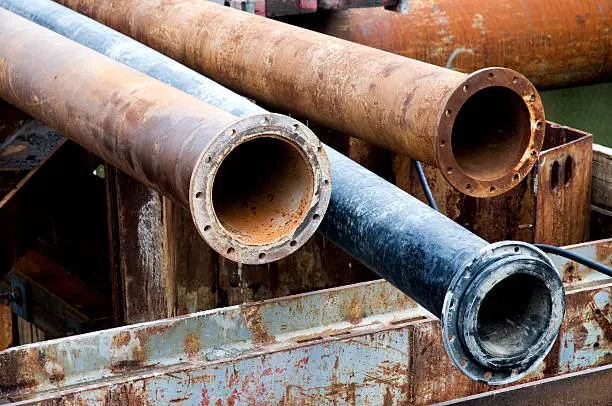
Lead pipe is less common than galvanized steel in these neighborhoods, but it does turn up, particularly on the service line that connects the house to the water main under the street. Unlike galvanized corrosion, lead does not always announce itself with a leak or a pressure drop.
It can sit quietly in place for years while slowly affecting water quality, which is precisely why the EPA’s Lead and Copper Rule pushes utilities and homeowners toward identifying and replacing these lines proactively rather than waiting for a failure.
If your Heritage Hills or Mesta Park home has never had its service line inspected, and the home predates 1930, a lead line is a real possibility worth ruling out.
Identification typically involves a visual inspection where the line enters the home, sometimes paired with a simple scratch test, since lead has a distinctive dull gray color and soft texture compared to galvanized steel or copper.
What Code Compliant Restoration Actually Involves?
Restoring plumbing in a historic district is not the same project as repiping a home built in the 1990s, and treating it that way usually leads to unnecessary damage to original woodwork, plaster, and masonry.
A thoughtful restoration in Heritage Hills or Mesta Park typically follows a few consistent principles.
Assessment before any wall is opened. A full evaluation using camera inspection and pressure testing maps out exactly which sections of a home’s plumbing are galvanized, which are lead, and which have already been updated. This prevents guesswork and avoids opening walls that do not need to be touched.
Material selection that satisfies both code and preservation goals. The City of Oklahoma City’s plumbing code, based on the Uniform Plumbing Code, allows PEX and copper for most residential repiping applications. PEX is often chosen for its flexibility and ability to route through tight historic wall cavities with fewer access points.
Copper remains a strong choice in areas where plumbing will be visible or where a more traditional finish is preferred, which matters in homes where craftsmanship is part of the appeal.
Minimizing disruption to original finishes. Careful planning of access points, working through basements, crawl spaces, and closets where possible, and coordinating cut locations with a home’s existing layout all help preserve original plaster, trim, and flooring.
In a neighborhood built around architectural character, this planning stage matters as much as the pipe work itself.
Permits and inspection. Any repiping or service line replacement in these districts requires a permit through the City of Oklahoma City’s Development Services Department, along with inspection to confirm the finished work meets current plumbing code.
This step protects homeowners during future sales, since a documented, permitted repipe is a meaningful selling point for a historic property.
Coordinating with historic preservation guidelines where applicable. Heritage Hills and Mesta Park both fall under local historic preservation oversight for exterior changes, so any work that affects visible exterior elements, such as where a new service line enters the home, should be coordinated appropriately.
Cast Iron Drain Lines and Sewer Laterals
Supply lines get most of the attention, but the drain and sewer side of these homes deserves equal consideration.
Cast iron was the standard drainage material through this construction era, and while cast iron generally outlasts galvanized supply pipe, it eventually develops scale buildup, cracking, and in some cases root intrusion from the mature trees that give these neighborhoods their canopy.
A camera inspection of the sewer lateral is a useful step for any homeowner planning a larger restoration, since trenchless lining methods can often address these issues with far less excavation than a full dig and replace approach, which matters on lots with established landscaping and brick walkways.
Signs Your Historic Home May Need a Plumbing Evaluation
A few patterns tend to show up consistently in Heritage Hills and Mesta Park homes that still have original plumbing.
Water pressure that has noticeably declined over the years, particularly on upper floors. Rust colored water when a faucet is first turned on after sitting unused.
Frequent small leaks appearing at different fixtures rather than one isolated spot. Visible galvanized pipe in a basement or crawl space with a dull gray, sometimes flaking exterior. A home that has never had documentation of a prior repipe despite being built before 1940.
Any one of these on its own is worth a look. Several together usually point toward a system that is nearing or past the end of its practical service life.
Why Local Experience Matters for This Kind of Work
Restoring plumbing in a home built in 1915 is a different skill set than installing pipe in new construction. It requires reading how a house was originally built, understanding which materials were common in that specific decade, and knowing how to route new lines without compromising original plaster, trim, or masonry.
As the most experienced plumbing team in OKC working across Heritage Hills, Mesta Park, and the surrounding historic districts, we approach every evaluation with that context in mind, treating each home as the individual structure it is rather than applying a one size fits all repipe plan.
Related: Landlord vs Tenant Plumbing Responsibilities Under Oklahoma Law
Final Thoughts
Owning a home in Heritage Hills or Mesta Park means owning a piece of Oklahoma City’s early architectural history, and the plumbing running through those walls is often just as original as the woodwork and brickwork above it.
Galvanized steel and, less commonly, lead pipe were standard for homes of this era, and both eventually reach a point where repair is no longer a lasting solution.
Understanding what is in your walls, getting a proper inspection before starting any renovation, and working through a restoration plan that respects both current code and the home’s original character will protect the property for the next century the same way it was built to last through the last one.
Related: What Oklahoma’s Heavy Spring Thunderstorms Mean for Your Sump Pump?
The True Cost of Trenchless Sewer Line Repair in Oklahoma City
Frequently Asked Questions
How do I know if my Heritage Hills or Mesta Park home has galvanized or lead pipes?
The most reliable way is a visual inspection combined with a simple test. Galvanized steel pipe has a dull gray color and a magnetic surface, and it is often visibly corroded or covered in scale where it is exposed in a basement or crawl space. Lead pipe is duller, softer, and will show a light scratch mark with a metal tool since lead is a much softer material than steel. A camera inspection can confirm what is running behind walls where nothing is visible, and this is typically the starting point before any restoration work begins.
Is it safe to keep using a home with galvanized pipes while planning a restoration?
Many homes continue running on galvanized supply lines for years without an emergency failure, so there is usually no need to treat it as an immediate crisis. That said, corrosion inside these pipes only progresses over time, and water quality along with pressure tends to decline gradually. Most homeowners in these districts choose to plan a full or partial repipe once they notice discoloration, reduced pressure, or repeated small leaks, rather than waiting for a pipe to fail completely.
Does repiping a historic home in Heritage Hills or Mesta Park require special permits?
Yes. Any repiping or service line replacement inside Oklahoma City, including homes in these historic districts, requires a permit through the City of Oklahoma City’s Development Services Department, along with a final inspection confirming the completed work meets current plumbing code. Keeping this documentation on file is also valuable for future home sales, since buyers and inspectors often ask about the age and permit history of a home’s plumbing system.
Will restoring the plumbing damage the original woodwork, plaster, or trim in my historic home?
A restoration approached with the home’s construction in mind is designed to minimize this risk. Careful planning of access points, routing new lines through basements, crawl spaces, and closets where possible, and mapping the system with a camera inspection before any cutting begins all help protect original finishes. This kind of planning is one of the main differences between restoring plumbing in a historic home and repiping a newer, standard construction house.
Should I replace both the supply pipes and the sewer or drain lines at the same time?
It depends on the condition of each system, but it is worth having both evaluated together. Supply lines in these neighborhoods are usually galvanized steel or occasionally lead, while drain and sewer lines from this era are typically cast iron, which can develop scale, cracking, or root intrusion from mature trees over time. Since both systems are original to the same construction period, checking them in the same inspection often gives homeowners a clearer, more complete picture before deciding what work to prioritize first.