

Under Oklahoma law, the landlord is almost always responsible for major plumbing repairs like a broken water heater or a main line clog, while the tenant is generally responsible for small, everyday clogs they caused themselves, such as a sink blocked by hair or grease.
This split comes directly from the Oklahoma Residential Landlord and Tenant Act, and it is the same standard our team applies every time we get a call from a rental property here in Oklahoma City.
As one of the most experienced plumbing companies working with landlords and renters across the metro, we get asked this question constantly, so we put together a full, straightforward breakdown of what the law actually says.
What Oklahoma Law Actually Says About Rental Plumbing?
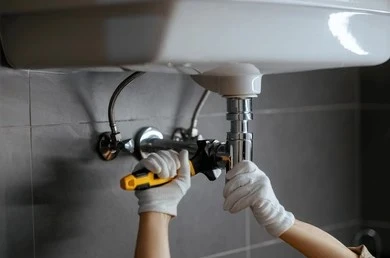
Oklahoma’s rental rules live inside Title 41 of the Oklahoma Statutes, known as the Oklahoma Residential Landlord and Tenant Act.
Section 118 of that act lays out the landlord’s core duty, which is to keep the dwelling in a fit and habitable condition and to maintain the electrical, plumbing, sanitary, heating, and air conditioning systems in good working order.
That single section is the reason almost every serious plumbing repair in a rental home falls on the property owner, not the person living there.
The law also puts some duties on the tenant. Section 125 requires renters to use plumbing fixtures properly, avoid damaging the property, and report maintenance concerns to the landlord in a timely manner. So the relationship works both ways.
The landlord keeps the systems functional, and the tenant is expected to use them reasonably and speak up quickly when something goes wrong.
Landlord Responsibilities for Plumbing Under Title 41

Under Oklahoma Statutes Title 41, Section 118, a landlord is expected to keep these plumbing related items in safe, working condition throughout the tenancy.
Water supply lines and pressure.
Drain lines and the main sewer connection.
Water heaters, including gas and electric units.
Faucets, showerheads, and tub or shower valves.
Toilets and their internal components.
Visible pipe leaks tied to age or normal deterioration.
This obligation exists automatically the moment a lease begins. Oklahoma courts and the statute itself treat habitability as a baseline right, meaning a landlord cannot waive this duty simply by putting different language in a lease agreement.
Tenant Responsibilities for Plumbing in Oklahoma
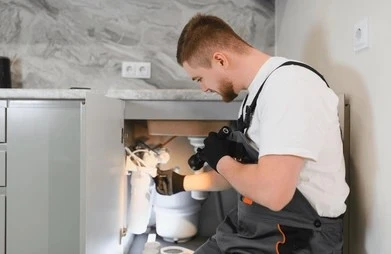
Tenants carry a narrower, more day to day set of duties. Under the statute, and under most standard Oklahoma lease agreements, a renter is expected to handle things like small clogs they personally caused, avoid misusing fixtures, and let the landlord know quickly about anything bigger. Practically speaking, that usually looks like this.
Clearing a minor clog caused by the tenant’s own use, such as hair in a shower drain.
Avoiding flushing wipes, paper towels, or grease down drains and toilets.
Reporting leaks, low pressure, or water heater trouble as soon as they notice it.
Covering repair costs when damage comes from clear tenant negligence or misuse.
Who Fixes a Clogged Drain, Landlord or Tenant?
The honest answer is that it depends on the cause. If a drain is slow because of something the tenant put down it, like grease, food scraps, or hygiene products, responsibility for the fix usually lands on the tenant.
If the clog is deeper in the system, involves the main sewer line, or comes from aging pipes, tree roots, or general wear over the years, that falls squarely on the landlord under the habitability duty in Section 118.
A good way to think about it is scope. A single sink that a tenant can clear with a plunger or a store bought tool is typically a tenant level task.
A blockage affecting multiple fixtures, or one that keeps coming back no matter what the tenant does, points to a structural issue that the property owner needs to handle.
Who Is Responsible for a Broken Water Heater?
A water heater is one of the systems specifically named in Oklahoma’s habitability statute, so responsibility for keeping it running sits with the landlord.
This covers a heater that stops producing hot water, one that leaks, one with a failing thermostat, or one that is simply old enough to need replacement.
Since hot water is treated as an essential service under the act, a landlord who lets a broken water heater sit unaddressed can face the same legal exposure as one who ignores a heating or water supply failure.
The only time this shifts toward the tenant is when the damage is traced back to something the tenant did, such as tampering with the unit or ignoring an obvious leak for an extended period without reporting it.
What Happens If the Landlord Does Not Make the Repair?
Oklahoma gives tenants a formal path when a landlord does not respond to a habitability concern. Under Section 121 of Title 41, the tenant can send the landlord written notice describing the condition.
If the landlord does not correct it within fourteen days, and the issue affects health or safety, the lease can terminate within thirty days unless the repair gets made first.
This notice requirement matters, so a phone call alone typically will not satisfy the legal standard, the request needs to be documented in writing.
Repair and Deduct Rule in Oklahoma
Oklahoma also allows a limited self help remedy. If the landlord fails to act after proper written notice, and the repair cost is under one hundred dollars, the tenant may arrange the repair and deduct that cost from rent under Section 121(B).
This rule exists for smaller, urgent situations and comes with real limits, since going over the dollar threshold or skipping the written notice step can void the deduction entirely. It is meant as a narrow safety valve, not a general substitute for the landlord’s ongoing maintenance duty.
When Normal Wear and Tear Changes the Answer
Wear and tear is one of the most common points of disagreement, and Oklahoma law leans toward the landlord absorbing this cost.
A pipe that finally gives out after decades of use, a water heater that reaches the end of its expected lifespan, or fixtures that degrade from ordinary daily use are treated as part of ownership, not tenant misuse.
Responsibility only shifts toward the tenant when there is a clear, demonstrable link between their actions and the damage, such as ignoring a known leak for months or using a fixture in a way it was never intended to be used.
Related: Buying a Home in the OKC Metro? 3 Plumbing Checks Your Inspector Might Miss
How Oklahoma City Renters and Owners Can Avoid Disputes?
Most plumbing disputes we see between landlords and tenants come down to timing and documentation rather than the actual legal standard.
A tenant who reports an issue quickly, in writing, protects themselves under the statute. A landlord who responds promptly and keeps records of the repair protects the investment and stays clear of the notice and termination provisions in Section 121.
Since we work on both sides of this relationship across Oklahoma City, from single family rentals to larger multi unit properties, we see firsthand how much smoother things go when both parties understand where their responsibility starts and stops before a plumbing emergency ever happens.
Related: Plumbing Pitfalls in Historic OKC: Restoring Homes in Heritage Hills and Mesta Park
Frequently Asked Questions
Does Oklahoma law require landlords to fix a broken water heater
Yes. A water heater is specifically included under the habitability duty in Oklahoma Statutes Title 41, Section 118, which means the landlord is responsible for keeping it in working condition.
Can a tenant withhold rent for a plumbing repair in Oklahoma
Only after giving proper written notice and waiting the required period under Section 121. Withholding rent without following that process can put the tenant at legal risk.
Is a landlord responsible for a clogged main sewer line?
Yes, since a main line clog affects the entire plumbing system and falls under the landlord’s habitability obligation rather than an individual tenant’s misuse.
Who pays for a clogged drain caused by the tenant
If the clog is clearly the result of tenant misuse, such as flushing inappropriate items, responsibility typically falls on the tenant.
How long does a landlord have to fix a plumbing issue in Oklahoma
Once the landlord receives written notice of a health or safety related issue, the statute allows fourteen days to correct it before further tenant remedies apply.