
You can find out what your Oklahoma City home’s water service line is made of in two ways: by looking up your address in the City’s free Lead Safe Community Database, or by doing a quick visual check at your water meter using a magnet and a key.
Oklahoma City’s Utilities Department has already inventoried hundreds of thousands of service lines across the city, sorting each one into a clear category so homeowners know exactly where they stand.
This guide walks you through both methods so you can confirm your own service line material in a few minutes.
What Is a Water Service Line and Why Its Material Matters
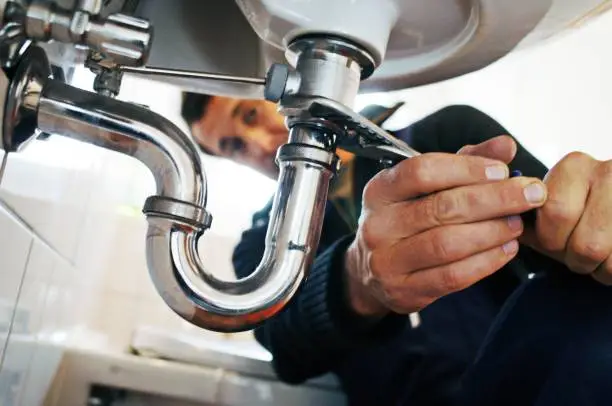
A water service line is the small pipe that carries water from the main line under the street into your home. It usually has two sections.
The public side runs from the water main to the curb stop or meter, and the City of Oklahoma City is responsible for that portion. The private side runs from the meter to your house, and that part belongs to the homeowner.
These lines can be made from several different materials, including lead, galvanized steel, copper, or plastic (PEX or similar).
The material matters because lead and certain galvanized lines can allow small amounts of lead to enter drinking water over time, especially in older homes built before 1986, when lead use in new plumbing was banned nationwide.
Knowing your service line material is the first step toward peace of mind about your household’s water.
Oklahoma City’s Lead Service Line Inventory Explained
Under the EPA’s Lead and Copper Rule Revisions, every public water system in the country, including Oklahoma City, was required to build a complete inventory of service line materials by October 2024.
Oklahoma City’s Utilities Department completed this work using historical records, permits, and physical inspections, and the results are published in an easy to use online tool.
Every service line in the city has now been sorted into one of four categories:
Lead. The line has been confirmed to contain lead and is a priority for replacement.
Galvanized requiring replacement. The line is galvanized steel that was, or currently is, connected downstream of a lead line, so it needs to be replaced as well.
Non lead. The line has been confirmed as copper, plastic, or another material that does not contain lead.
Unverified. The city has not yet confirmed the material through records or inspection. Under EPA rules, unverified lines are treated with the same caution as lead lines until they are confirmed.
Oklahoma City’s Utilities Department has reported that the vast majority of lines checked so far have come back non lead, and confirmed lead lines make up a very small fraction of the total system. Even so, checking your own address is the only way to know your specific situation with confidence.
How to Check Your Address in the Lead Safe OKC Database

Oklahoma City residents can look up their service line material directly through the city’s Lead Safe Community Database at okc.gov/leadsafe.
The tool displays results for both the public and private sides of your service line using simple markers, so you can see at a glance whether your property is confirmed lead, confirmed non lead, galvanized, or unverified.
If your address shows as unverified, or if you have records showing when your private line was installed or replaced (a receipt, a permit, or even a memory of a past plumbing project), you can submit that information to the city through its self reporting tool.
This helps speed up the process of confirming your material and can move your property out of the unverified category faster.
How to Identify Your Service Line Material at Home
If you want to confirm your line yourself while waiting on city verification, or simply want a second confirmation, you can use a quick and reliable at home test.
- Find your water meter. It’s often located in the front yard near the street, in a basement, crawlspace, or utility closet, or in a pit with a metal or plastic lid.
- Locate the pipe entering your home before it reaches the meter or shutoff valve. This is typically where the service line is easiest to check.
- Use a refrigerator magnet. Hold it against the pipe. If it sticks firmly, the pipe is likely galvanized steel or another magnetic metal, not lead or copper. Lead is not magnetic, so a magnet will not stick to it.
- Use a key or coin for a gentle scratch test. Lightly scratch the pipe (not too hard) in a spot close to where it enters the home. A shiny silver color that is soft and easily scratched suggests lead. A dull gray that does not scratch easily and is not magnetic often points to galvanized steel further down the line. A bright orange or copper penny color means the pipe is likely copper. Smooth plastic or PEX piping is easy to identify visually and will not react to either test.
- Compare your findings to your Lead Safe OKC database result. If they match, you have strong confirmation of your service line material. If they don’t match, or if you’re not fully sure, that’s a good moment to reach out to a licensed local plumber for a professional confirmation.
What to Do If Your Line Is Lead, Galvanized, or Unverified
If your Oklahoma City property comes back as lead, galvanized requiring replacement, or unverified, there are simple steps you can take right away while any replacement planning moves forward.
Run your tap for several minutes before using water for drinking or cooking, especially first thing in the morning or after the water has sat unused for several hours, since this flushes out water that has been sitting in the pipe.
Use cold water for drinking, cooking, and preparing infant formula, since hot water can draw more contaminants from a service line.
Consider a water filter certified to NSF or ANSI Standard 53 for lead reduction, which is clearly labeled on qualifying filter products. Keep an eye on notification letters from the Utilities Department, since properties with confirmed lead, galvanized, or unverified lines are being contacted directly with updates on the city’s replacement timeline.
Oklahoma City’s public replacement plan is expected to be finalized by the EPA’s late 2027 deadline, and public side replacements are the responsibility of the city under Municipal Code. For the private side, homeowners can choose to schedule a replacement independently, and many choose to do so proactively for full peace of mind.
Related: How to Read Your Oklahoma City Water Meter and Check for a Hidden Leak
Is Oklahoma City’s Drinking Water Safe
Yes. The water leaving Oklahoma City’s treatment plants does not contain lead, and the large distribution mains that run under the streets are not made of lead either.
The city also adds a corrosion inhibitor to its treated water, which helps reduce the chance of lead being picked up from older service lines or household plumbing. Lead exposure, when it happens, comes specifically from an individual lead service line or from lead components inside a home, not from the city’s water supply itself.
This is exactly why identifying your own service line material is such a useful and reassuring step, since it lets you know precisely where your home stands.
Local Plumbing Expertise You Can Count On in Oklahoma City
Understanding service line material is one part of a much bigger picture of home plumbing health, and this is an area we know well.
We are operating a plumbing service here in Oklahoma City, OK, and we regularly help homeowners across the metro confirm pipe materials, interpret their Lead Safe OKC results, and plan ahead with confidence for their private side plumbing.
Whether you’re comparing your database result to what you found in your own inspection, or simply want a professional set of eyes on an older service line, local knowledge of Oklahoma City’s soil conditions, home ages, and plumbing history makes a real difference in getting clear, accurate answers.
Related: Buying a Home in the OKC Metro? 3 Plumbing Checks Your Inspector Might Miss
Frequently Asked Questions
How do I check my water service line material in Oklahoma City?
Visit okc.gov/leadsafe and enter your address to see the city’s confirmed material category for both your public and private service line.
What does “unverified” mean on the Lead Safe OKC database?
It means the city has not yet confirmed the material through records or physical inspection. Unverified lines are treated with the same precaution as lead lines until they are confirmed.
Is it normal for older Oklahoma City homes to have lead service lines?
Homes built before 1945 are the most likely to have a lead line, though many have already been replaced over the decades through repairs, renovations, or previous plumbing work.
Can I test my own service line without waiting for city verification?
Yes. A simple magnet and scratch test at your water meter, described above, can give you a strong initial indication of your pipe material.
Does Oklahoma City’s tap water contain lead?
No. Treated water leaving the city’s plants is lead free, and the city uses a corrosion inhibitor to further reduce the risk of lead entering water from older service lines.
Who is responsible for replacing a lead service line in Oklahoma City?
The city is responsible for the public side, from the main to the meter, while the homeowner is responsible for the private side, from the meter to the house, under Oklahoma City’s Municipal Code.