
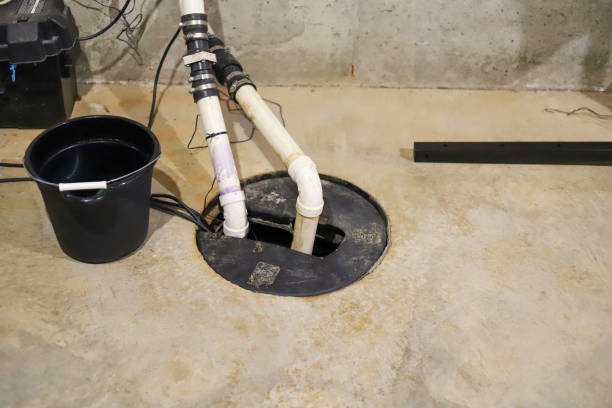
Who is responsible for a sewer line in Oklahoma City depends entirely on where the blockage sits. If the clog is inside the pipe running from your house to the property line, that part belongs to you as the homeowner.
If the clog sits in the public main under the street, that section belongs to the City of Oklahoma City. As a local plumbing service provider in Oklahoma City, we get asked this question almost every week, because that dividing line is exactly where confusion starts, and it’s exactly what this guide is going to clear up for you.
Sewer Backup Responsibility in Oklahoma City: The Short Answer
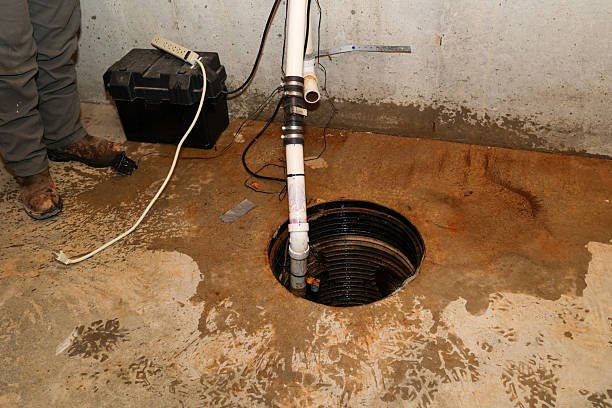
Here is the quick version before we go deeper.
The homeowner owns and maintains the private sewer line, sometimes called the sewer lateral, from the house out to where it connects with the public sewer main.
The city owns and maintains the main line that runs under the street and collects wastewater from an entire neighborhood.
If the problem sits in the private sewer line connecting your house to the city main, the responsibility of repairing or replacing that line belongs to the property owner, because Oklahoma law prevents the Utilities Department from spending ratepayer funds on private property.
That single legal point explains almost every disagreement homeowners in Oklahoma City run into with the city over sewer responsibility.
What Is a Private Sewer Line in Oklahoma City?
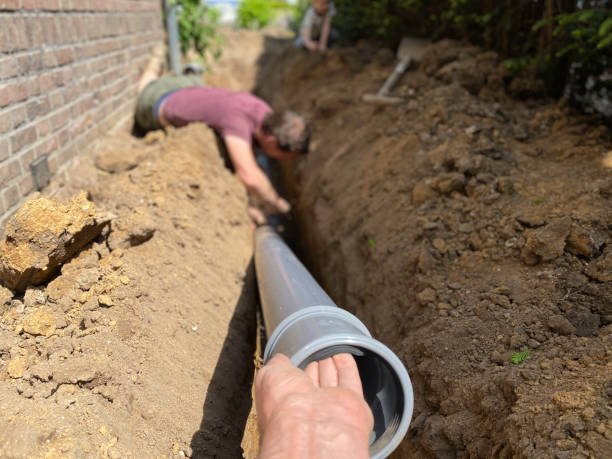
The private sewer line, also called the sewer lateral, is the pipe that carries wastewater from your toilets, sinks, and drains out of your house and toward the public system.
This line typically runs from your foundation, across your yard, and continues even past your property boundary until it physically ties into the city main.
That last detail catches a lot of homeowners off guard. Even the portion of your lateral sitting under the parkway, sidewalk, or easement near the street is usually still considered part of your private line, not the city’s, right up until the point of connection.
Private sewer lines in older Oklahoma City neighborhoods are commonly built from clay pipe or cast iron, while newer construction typically uses PVC.
Older clay and cast iron sections are far more prone to root intrusion, cracking, and joint separation, which is one reason sewer line responsibility in Oklahoma City tends to come up more often in established, mature neighborhoods.
What Is the City Main Sewer Line?
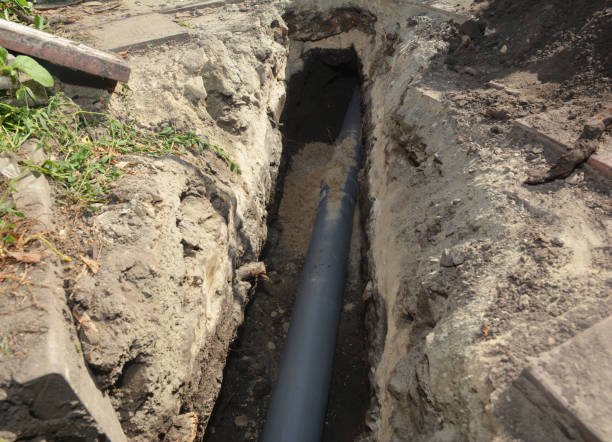
The city main is the larger public pipe that runs beneath the street and collects wastewater from every home connected along that stretch of line. This section is owned, inspected, and maintained by the Oklahoma City Utilities Department.
Because the main line serves an entire block or neighborhood rather than a single address, a true main line blockage tends to look different from a private line issue.
It usually shows up as slow drains or backups at multiple homes around the same time, rather than a single house experiencing trouble on its own.
How Oklahoma City Draws the Line Between Private and Public Sewer Responsibility

This is the part that makes Oklahoma City a genuinely strong example of clear local policy, and it’s worth understanding in detail.
When City crews determine that a backup originated from City infrastructure or City personnel, City crews perform cleanup outdoors, up to the exterior of the dwelling, to address public health concerns as quickly as possible.
However, City crews are prohibited from performing cleanup inside a home, which means indoor cleanup, even in a City main case, typically falls to your insurance provider, a restoration company, or a property management company.
When the issue is caused by a private sewer line, the home or property owner is responsible for all cleanup, both outdoors and indoors.
Reimbursement works the same way. The City will only reimburse a homeowner for damage if the backup happened in the City main and the City had advance knowledge that its system was at fault and failed to fix the problem in a reasonable time.
To pursue that kind of claim, the process starts with the Municipal Counselor’s office. This is not a matter of policy preference either, it is Oklahoma law, since public funds cannot be spent for private purposes.
In plain terms, Oklahoma City is not being difficult when it declines to pay for a backup that traces back to your private lateral. It is legally required to draw that line.
Common Causes of Backups on the Private Side
Most sewer backup responsibility questions in Oklahoma City trace back to one of these causes on the homeowner’s side of the line.
Tree root intrusion is the most frequent culprit, especially in neighborhoods with mature trees planted close to older clay pipe. Roots seek moisture at pipe joints and gradually work their way inside, restricting flow until the line clogs completely.
Grease, wipes, and paper towels flushed or poured down drains solidify inside the pipe over time and build into a hard blockage. Aging clay or cast iron pipe can also crack, shift, or collapse simply from decades of soil movement, which is common given the clay heavy soil found across much of the Oklahoma City metro. Bellied or sagging sections of pipe, where the line has settled unevenly, trap solids and slowly narrow the flow path until water backs up.
Common Causes of Backups on the City Main Side
On the public side, main line backups are usually tied to a handful of citywide infrastructure issues. Heavy rainfall and stormwater infiltration can overwhelm sanitary sewer capacity in older combined or aging systems. Root intrusion and pipe deterioration happen in the main lines too, not just private laterals.
Debris, grease buildup, or a collapsed section anywhere in the main can create a bottleneck that pushes wastewater back toward every connected home. Capacity limitations during peak usage times in dense areas can occasionally contribute as well.
How to Tell Whose Responsibility a Sewer Backup Is
You don’t need a plumbing license to make an educated guess before you call anyone. These signs point toward a private line issue on your property.
Only your home is affected while neighboring houses drain normally. The backup shows up at the lowest fixture in your home, often a basement floor drain or the lowest toilet. Multiple drains inside your house back up together, which usually points to a clog somewhere between your home and the property line.
These signs point toward a city main issue instead. Several neighboring homes report backups around the same time. Sewage or slow drainage appears in the street, a manhole, or a cleanout near the curb before it ever reaches your fixtures. The trouble started shortly after nearby city construction, heavy rain, or known area sewer work.
When it’s genuinely unclear, a camera inspection is the most reliable way to answer the “who is responsible for sewer line” question for your specific address. A camera run through your cleanout can show exactly where the blockage sits relative to your property line, which settles the question with actual evidence rather than guesswork.
What to Do the Moment You Notice a Sewer Backup
Stop using water in your home right away, including toilets, sinks, showers, and the washing machine, since any added water will only push more wastewater back into your house. Turn off electrical circuits near any flooded area if you can safely reach the panel, to avoid an electrical hazard.
For an urgent water outage, emergency, or sewer backup in Oklahoma City, the City’s 24 hour emergency line is (405) 297 2833, extension 1, and calling promptly helps establish an official record of when the issue was reported, which matters if a claim ever needs to be filed later.
Photograph and document any visible damage before you begin cleanup, and keep every invoice related to the incident. Call a licensed local plumber to run a camera inspection and confirm whether the blockage sits in your private line or beyond it in the city main. This single step is usually what resolves the sewer backup responsibility question in Oklahoma City faster than anything else.
Who Handles Cleanup and Reimbursement
To recap the process clearly, once the source is confirmed:
If the City main caused the backup, City crews handle outdoor cleanup up to your home’s exterior, and you may be eligible for reimbursement through the Municipal Counselor’s office if the City knew about the issue in advance and did not respond in reasonable time.
If your private line caused the backup, you are responsible for all cleanup, indoors and outdoors, along with any repair or replacement of the private line itself.
Homeowners insurance does not always include sewer backup coverage automatically, so it’s worth checking your policy for a sewer or water backup rider ahead of time rather than discovering the gap after an incident.
Related: Why Does My Sewer Back Up After Heavy Rain in Oklahoma City?
Why This Question Comes Up So Often in Oklahoma City
Oklahoma City sits on soil with a high clay content across much of the metro, and that clay expands and contracts noticeably with seasonal moisture changes.
That movement puts extra stress on underground pipe joints over the years, particularly in neighborhoods built decades ago with clay or cast iron lateral lines.
Combine that soil behavior with mature tree canopies planted close to older sewer runs, and it’s easy to see why Oklahoma City homeowners run into private line issues more often than newer suburbs built on more stable soil with modern PVC piping.
We are a local plumbing service provider based right here in Oklahoma City, and that’s exactly why we know this distinction so well.
We see the clay soil movement, the older lateral lines, and the pattern of where backups originate across different parts of the metro every week, which is the kind of local knowledge that’s hard to get from a general plumbing resource written for a national audience.
Related: Why Did My Oklahoma City Water Bill Suddenly Increase? 9 Plumbing Causes to Check
Frequently Asked Questions
Who is responsible for a sewer backup in Oklahoma City?
Responsibility depends on where the blockage occurs. The homeowner is responsible for the private sewer line running from the house to the point where it connects with the city main, while the City of Oklahoma City is responsible for the public main line under the street.
What counts as a private sewer line in OKC?
Your private sewer line, or lateral, includes every section of pipe from your home’s plumbing out to the connection point with the city main, even the portion that runs under public right of way like a sidewalk or parkway strip.
Does the City of Oklahoma City ever pay for sewer backup damage?
Yes, but only when the backup originated in the city main and the City had advance knowledge of the problem and failed to address it within a reasonable time. That determination and any reimbursement claim goes through the Municipal Counselor’s office.
How do I find out if my sewer backup is my responsibility or the city’s?
The clearest way is a camera inspection through your cleanout, which shows exactly where the blockage sits relative to your property line. Multiple affected homes on the same street is also a strong signal the issue lies in the city main.
Will homeowners insurance cover a sewer backup in Oklahoma City?
Standard homeowners policies often exclude sewer backup damage unless you’ve added a specific water backup or sewer backup rider, so it’s worth confirming your coverage with your insurance agent before an incident happens.
Who do I call for a sewer emergency in Oklahoma City?
For an urgent water outage or sewer backup, call the City’s emergency line at (405) 297 2833, extension 1, any time day or night.