
To flush a water heater and clear sediment, shut off the power and cold water supply, connect a hose to the drain valve, drain the tank fully, then run fresh water through it until it flows clear.
In Oklahoma City, this task matters more than in most parts of the country because our water is naturally hard, and homeowners here often need to flush their tanks more often than the standard once a year advice you’ll find elsewhere.
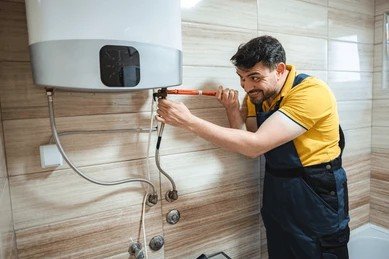
Below, we walks you through the entire process step by step, the same way we’d explain it to a neighbor, so you can decide whether to tackle it yourself or bring in a professional.
Why Oklahoma City Water Heaters Build Up Sediment So Quickly?
Your water heater‘s tank isn’t just holding water, it’s holding minerals too. Oklahoma City draws from sources tied to the Garber Wellington Aquifer, and that groundwater carries a high concentration of calcium and magnesium as it passes through limestone and dolomite formations across central Oklahoma.
Depending on your zip code, local hardness readings commonly fall anywhere from moderately hard to very hard territory.
Every time your tank heats water, some of those dissolved minerals settle out and sink to the bottom as a layer of sediment. Over months, that layer thickens into a chalky crust that insulates the burner or heating element from the water above it.
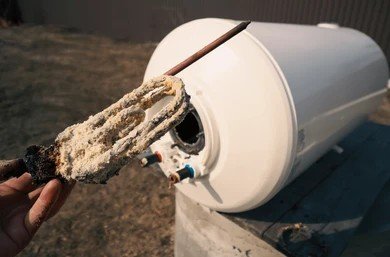
Your unit ends up working harder and longer to reach the same temperature, and that extra strain shows up on your energy bill long before it shows up as a visible problem.
Signs Your Water Heater Needs a Flush
You don’t need a plumbing background to spot the warning signs. Watch for:
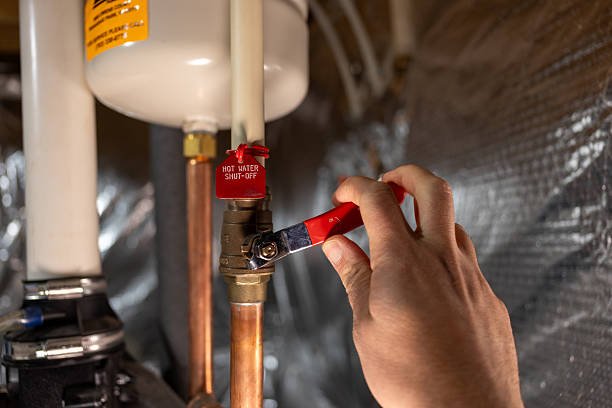
- Popping, rumbling, or crackling sounds coming from the tank as it heats.
- Hot water that takes longer to arrive or runs out faster than it used to.
- A noticeable jump in your gas or electric bill without a change in usage.
- Cloudy, gritty, or discolored water from your hot taps.
- A tank that feels hotter to the touch on the outside than normal.
If you’re noticing two or more of these at once, sediment buildup is a likely cause, and flushing should be near the top of your maintenance list.
What You’ll Need Before You Start?
Gather these items ahead of time so you’re not searching for a wrench halfway through the job:
- A standard garden hose long enough to reach a floor drain, sump pit, or the outside of your home.
- A bucket, in case you don’t have a nearby drain.
- A flathead screwdriver (some drain valves need one to open).
- Work gloves and safety glasses.
- About one to two hours of free time, most of which is just waiting for the tank to drain and refill.
Step by Step: How to Flush a Tank Water Heater
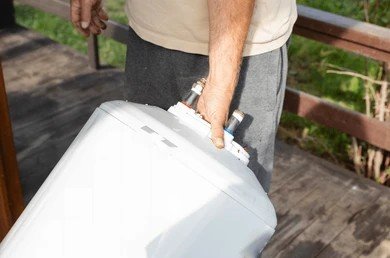
Step 1: Turn Off the Power Source
For an electric unit, switch off the dedicated breaker at your panel. For a gas unit, turn the thermostat dial to the pilot setting. This protects the heating element or burner from running dry and getting damaged while the tank is empty.
Step 2: Shut Off the Cold Water Supply
Find the cold water inlet valve on top of the tank and turn it clockwise until it’s fully closed. This stops new water from entering while you’re draining and flushing.
Step 3: Let the Water Cool
Give the tank a couple of hours to cool if you’ve used hot water recently. Water straight from the tank can reach scalding temperatures, and draining it while still hot is a real burn risk.
Step 4: Open a Hot Water Tap Inside the House
Turn on a hot water faucet somewhere in your home and leave it open. This breaks the vacuum inside the tank so it can drain smoothly instead of glugging and sputtering.
Step 5: Connect the Hose and Drain the Tank
Attach your garden hose to the drain valve near the bottom of the tank and run the other end to a floor drain or outside. Open the valve and let gravity do the work. This part often takes twenty to thirty minutes depending on your tank size.
Step 6: Flush Until the Water Runs Clear
With the drain valve still open, briefly crack open the cold water supply valve for a few seconds at a time. This stirs up the settled sediment and pushes it out through the hose.
Keep repeating this in short bursts until the water coming out of the hose runs clear instead of cloudy or gritty. On a tank that hasn’t been flushed in a year or more in an area with hard water like ours, this can take several rounds.
Step 7: Close Everything and Refill
Close the drain valve, disconnect the hose, and turn the cold water supply back on fully. Leave the hot water tap inside your home open while the tank fills, since air trapped inside will sputter out through that faucet. Once a steady, air free stream flows out, close the tap.
Step 8: Restore Power and Check for Leaks
Turn your breaker back on or return the gas thermostat to its normal setting, relight the pilot if needed, and give the drain valve a quick check for any drips. Give it twenty to thirty minutes and confirm hot water is flowing normally again.
Flushing a Tankless Water Heater Is a Different Process
Tankless units don’t hold standing water, so they don’t collect sediment the same way, but Oklahoma’s mineral content still forms scale on the internal heat exchanger over time.
That requires a descaling flush rather than a drain and refill: closing the isolation valves, connecting a submersible pump, and circulating a vinegar or manufacturer approved descaling solution through the unit for roughly forty five minutes to an hour.
Because tankless systems are sealed and more sensitive to incorrect handling, this is a job where many OKC homeowners prefer to bring in a professional rather than improvise.
How Often Should You Flush a Water Heater in Oklahoma City?
Most manufacturers recommend an annual flush as a baseline. Given how hard our local water runs compared to the national average, we generally advise OKC homeowners to flush every six to eight months if you’ve noticed any of the warning signs above, or if you don’t already have a whole home water softener installed.
Homes on a softener system can typically stretch closer to the standard twelve month interval.
Related: Is Oklahoma City Water Hard? What It Means for Your Plumbing Appliances
When It Makes Sense to Call a Professional Instead?
A flush is a manageable weekend project for most homeowners, but there are moments where calling in help is the smarter move.
If your drain valve is corroded or won’t fully close afterward, if your tank is older than eight years and has never been flushed, or if you’re seeing rust colored water rather than just cloudy sediment, that can point to tank degradation rather than simple mineral buildup.
In those cases, forcing a full flush can sometimes reveal an existing weak spot in the tank.
This is where local experience really matters. Our team has spent years working exclusively with Oklahoma City’s water conditions, and we’re proud to be one of the most experienced plumber teams in OKC when it comes to hard water related maintenance, from routine tank flushes to full water heater replacements and whole home softener installs.
We’d rather teach you how to maintain your system properly than sell you a new one you don’t need yet, and if a flush does uncover a deeper issue, we’re just a call away to take a look.
Related: Why Does Your Water Heater Dies Faster (And How to Fix It)?
What to Do When Your Water Pressure Regulator (PRV) Fails?
Frequently Asked Questions
How long does it take to flush a water heater?
Most tank flushes take between one and two hours from start to finish, though the actual hands on work is closer to thirty minutes. The rest is drain and refill time.
Can I flush my water heater myself, or do I need a plumber?
Most homeowners can safely flush a standard tank water heater themselves with basic tools. Tankless descaling and any situation involving a stuck valve, visible corrosion, or an aging tank are better handled by a licensed plumbing technician.
What happens if I never flush my water heater?
Untreated sediment continues to thicken, which reduces efficiency, raises your energy costs, causes premature wear on the tank, and can eventually shorten the unit’s overall lifespan well below its expected range.
Does a water softener eliminate the need to flush?
A softener significantly slows down mineral buildup and stretches the interval between flushes, but it doesn’t eliminate the need entirely. Periodic flushing is still good practice even with softened water.
Is it normal for water to look rusty instead of just cloudy during a flush?
Cloudy or gritty water is expected and simply means sediment is clearing out. Consistently rust colored water can indicate the tank itself is starting to corrode internally and is worth having inspected.