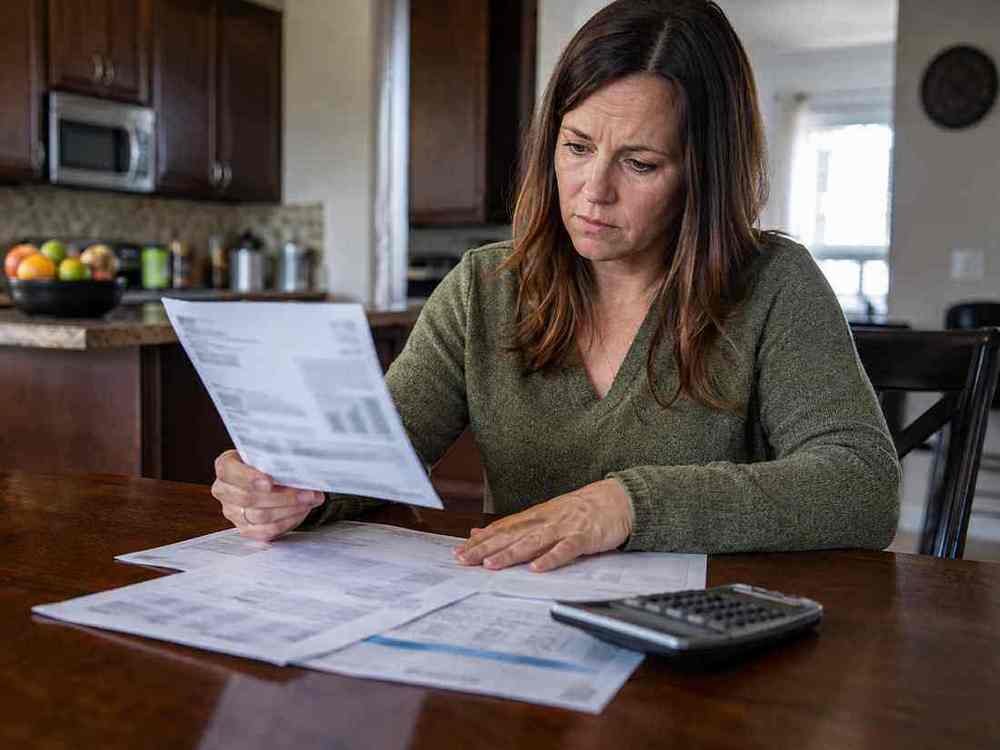
A sudden increase in your Oklahoma City water bill usually comes from higher water consumption, a running toilet, a dripping plumbing fixture, irrigation use, an appliance using extra water, or a hidden water line leak.
We provide plumbing services in Oklahoma City and regularly help homeowners understand unusual water usage, so we know where to look first when the gallons on a monthly bill suddenly rise.
Before assuming one specific plumbing issue is responsible, compare your current water usage with previous months. The amount of water used tells you far more than the total dollar amount alone.
As experienced plumbers in Oklahoma City, we have learned that the fastest approach is simple: confirm whether water consumption actually increased, check the water meter, inspect the most common fixtures, then work toward less visible parts of the plumbing system.
This guide explains nine plumbing causes worth checking and shows you how to narrow down the source logically.
Quick Answer: Why Is My Oklahoma City Water Bill So High?
If your Oklahoma City water bill suddenly increased while your normal household routine stayed about the same, start by checking these nine possible plumbing causes:
- A running or silently leaking toilet.
- Dripping faucets, showerheads, or outdoor faucets.
- A concealed water supply pipe leak.
- An underground water service line leak.
- A sprinkler or irrigation system using additional water.
- Water heater related water loss.
- Washing machine, dishwasher, refrigerator, or appliance supply lines.
- A water softener using extra regeneration cycles.
- Increased water pressure or a pressure regulating issue.
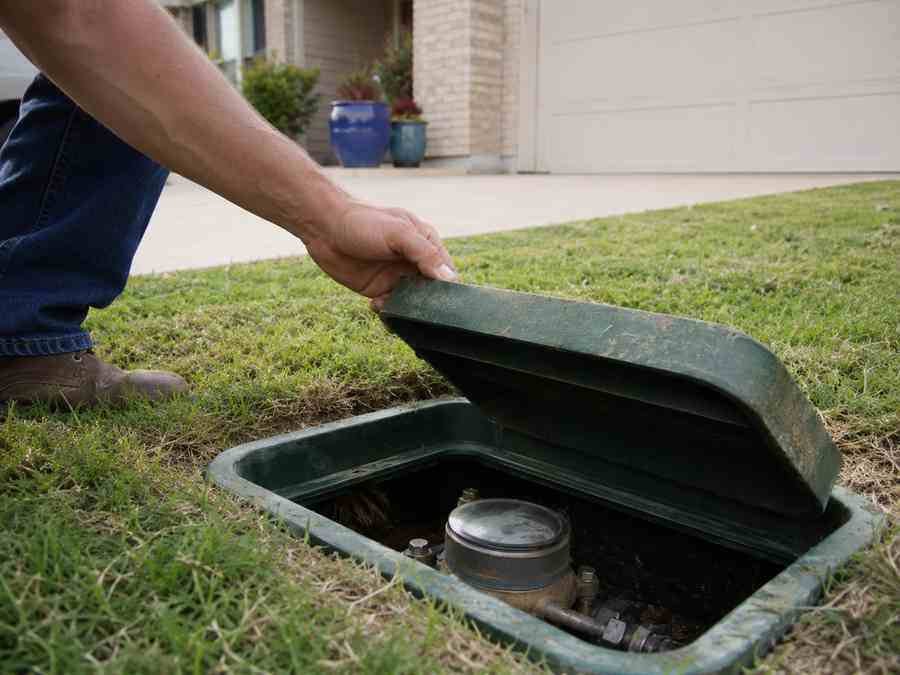
The most useful first test is your water meter. When every water using fixture and appliance is off, the meter should show little or no continuing flow. Continued movement gives you an important clue that water is still passing through the plumbing system.
EPA WaterSense also recommends comparing water bills over time and checking the meter during a period when no water is being used when unexplained consumption appears.
First Check Whether Your Water Usage Increased
A higher water bill and higher water consumption are related, but they are not exactly the same thing.
Look at the water usage section of your Oklahoma City utility bill and compare the gallons used with:
- The previous month
- The same month last year
- Your normal household average
- Recent seasonal watering periods
This distinction matters.
If the dollar amount increased while the gallons stayed fairly consistent, review the individual charges on the bill.
If the actual gallons increased substantially, start investigating household water consumption and the plumbing system.
Oklahoma City’s utility guidance specifically recommends considering increased household use, lawn sprinkler operation, visitors, pools, indoor leaks, outdoor leaks, and meter readings when reviewing an unusually high bill.
How to Use Your Water Meter to Check for Unexplained Water Use
Your water meter can help answer one of the most important questions:
Is water still moving through the plumbing system when your home is supposed to be using none?
Choose a period when everyone can avoid using water.
Make sure:
- Faucets are fully closed
- Toilets have finished filling
- The washing machine is off
- The dishwasher is off
- Ice makers are not actively filling
- Sprinkler zones are off
- Outdoor faucets are closed
- Water using appliances are idle
Record the meter reading.
Wait for a suitable period without using water and check the meter again.
If the reading changes, water is being used somewhere.
Some meters also have a small flow indicator that makes very low levels of continuous water movement easier to identify.
This does not immediately tell you where the water is going. It tells you that investigating the plumbing system further makes sense.
EPA WaterSense recommends this type of meter comparison as a practical household leak check.
1. A Running Toilet Can Raise Water Usage Quietly
The toilet is one of the first fixtures worth checking when a water bill suddenly increases.
A toilet can continue passing water from the tank into the bowl even when nobody has recently flushed it.
The common components involved include:
- Toilet flapper
- Fill valve
- Flush valve
- Overflow tube
- Float
- Tank seal
A worn flapper may allow a small continuous stream of water to move from the tank into the bowl. The fill valve then replaces that water automatically.
Because the water travels directly into the bowl, there may be no puddle on the bathroom floor.
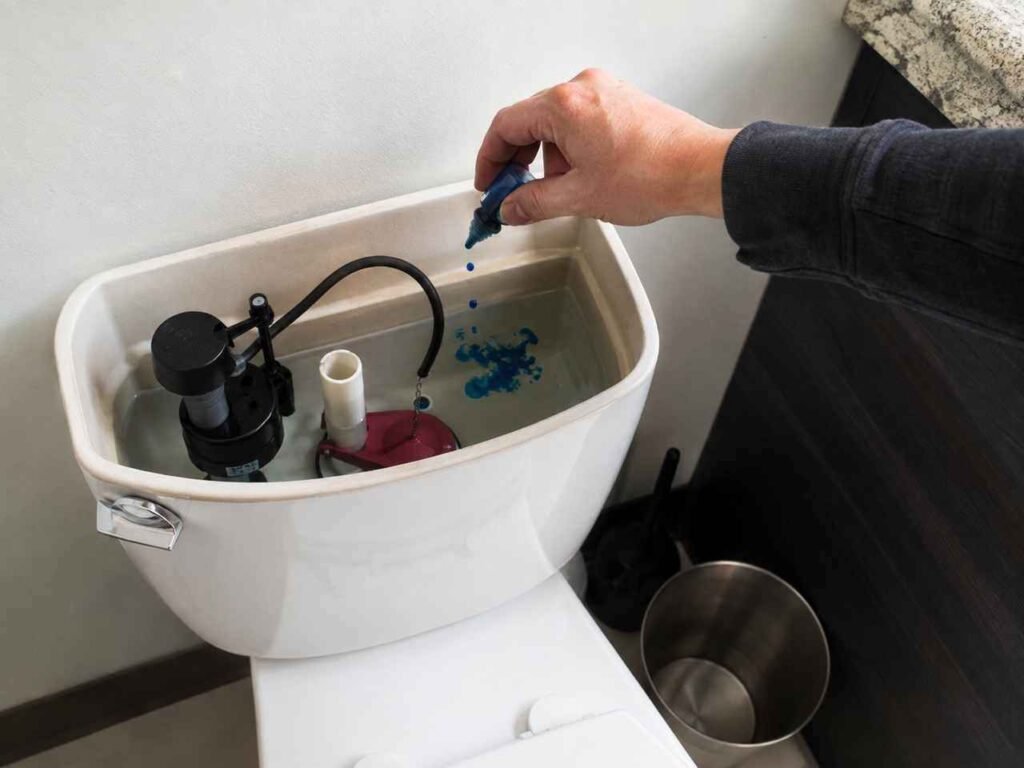
How to check a toilet for a silent leak
Place a few drops of food coloring into the toilet tank.
Wait about ten minutes without flushing.
If colored water appears in the bowl, water is passing from the tank into the bowl.
Repeat this test on every toilet in the home.
A guest bathroom can be particularly easy to overlook because the toilet may be used infrequently.
EPA WaterSense identifies toilets as a major source of indoor residential water use and notes that worn toilet flappers are a common source of household leaks.
Other toilet clues to check
Listen for periodic tank refilling when nobody has flushed.
Look inside the tank and see whether water continually enters the overflow tube.
Check whether the fill valve repeatedly activates.
Observe whether the water level sits unusually high inside the tank.
A toilet that appears visually normal can still be responsible for consistent water consumption.
2. Dripping Faucets, Showerheads, and Outdoor Faucets
A slow drip looks small because you see one drop at a time.
Your water meter sees the accumulated volume.
Check every fixture, including fixtures that receive less daily attention.
Inspect:
- Kitchen faucets
- Bathroom faucets
- Bathtub faucets
- Showerheads
- Utility sinks
- Laundry faucets
- Outdoor hose bibs
- Garage sinks
A faucet cartridge, washer, valve seat, seal, or connection can allow steady water movement.
Also examine the area below sinks.
Look around:
- Supply valves
- Flexible supply connectors
- Faucet connections
- Drain area
- Cabinet floor
A dry mineral mark around a fitting can sometimes indicate that moisture has been present even when the area is dry during your inspection.
Outdoor faucets deserve attention too. A hose bib can release water outside where it is less likely to be noticed from inside the home.
3. A Concealed Water Supply Pipe Leak
If the meter indicates continuing water flow but toilets and visible fixtures appear normal, the source may be somewhere along the home’s water supply piping.
Water supply lines travel through areas such as:
- Walls
- Ceilings
- Floors
- Cabinets
- Attics
- Crawl spaces
- Utility areas
- Foundation areas
Because these pipes are concealed, a change in your water bill may appear before the source becomes visually obvious.
Signs that can accompany concealed plumbing water use
Look for:
- Changes in water pressure
- Water sounds when fixtures are closed
- Areas of unusual moisture
- Changes in wall or ceiling texture
- Flooring changes
- A water meter that continues registering flow
A hidden supply line leak should remain a separate search intent from this article.
The purpose of this guide is to help homeowners determine why water consumption increased. Detailed leak locating methods, equipment, and repair options belong on a dedicated leak detection resource or service page.
That distinction keeps the information useful while maintaining clear topic ownership throughout a plumbing website.
4. An Underground Water Service Line Leak
The water service line carries water from the meter toward the home’s plumbing system.
Much of this pipe is underground.
That means water can leave the service line without producing an obvious indoor plumbing symptom.
Possible outdoor clues include:
- A consistently moist area in the yard
- Soil that behaves differently from surrounding areas
- Unusual plant growth in one narrow area
- Water meter movement while indoor fixtures are off
- A noticeable change in available water pressure
The meter test is especially useful here.
If water continues registering while the home’s fixtures are inactive, the location of the water loss can gradually be narrowed down.
An underground line should not automatically be assumed simply because the water bill increased. Toilets, irrigation, household fixtures, and normal seasonal use are generally easier places to check first.
A logical inspection sequence helps homeowners avoid guessing.
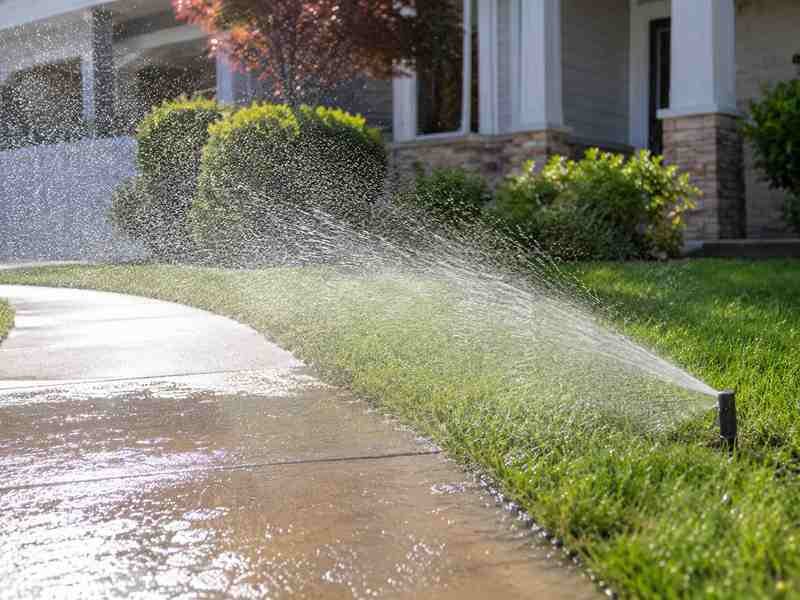
5. Sprinkler and Irrigation System Water Use
Outdoor watering deserves special attention in Oklahoma City.
During warmer periods, lawn irrigation can become a substantial portion of household water use.
A homeowner may also have an irrigation controller operating early in the morning or overnight, making the added consumption easy to miss during normal daytime routines.
The City of Oklahoma City specifically lists lawn sprinkler use during summer heat among the factors residents should review when investigating increased water consumption.
Check every irrigation zone
Run the sprinkler system one zone at a time.
Look for:
- Sprinkler heads spraying onto pavement
- Heads with unusually high flow
- Water accumulating around valve boxes
- Sprinkler zones operating longer than expected
- Controller schedules that changed
- Multiple start times programmed accidentally
- Water continuing after a zone should stop
- Soft areas of soil along irrigation piping
A sprinkler head does not have to stop working completely to affect consumption.
A misaligned head can send usable water toward a driveway or street instead of the landscape.
An irrigation valve that does not close completely can also permit continued flow.
Review the controller schedule
Check:
- Start time
- Run duration
- Number of watering days
- Seasonal adjustments
- Multiple programs
- Recently changed settings
Sometimes the plumbing system is functioning normally and the actual cause is simply a schedule that is using more water than expected.
6. Water Heater Related Water Loss
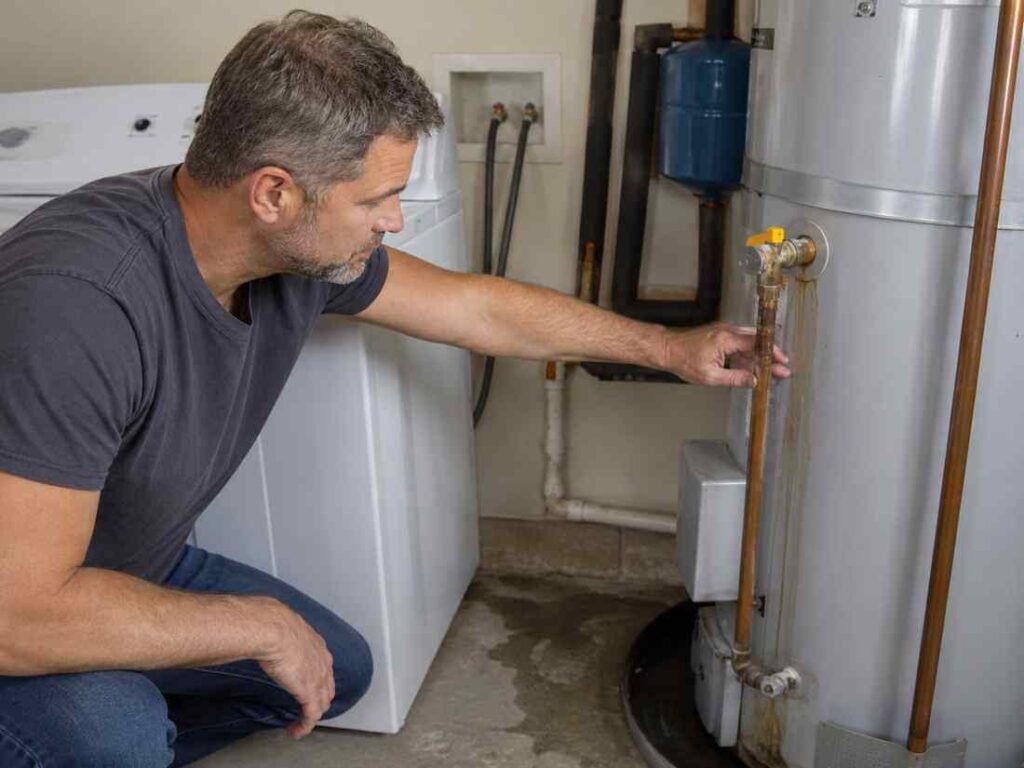
Your water heater is connected directly to the household water supply, which makes it another relevant location when investigating unusual water consumption.
Inspect the water heater area for signs of water around:
- Supply connections
- Flexible connectors
- Drain valve
- Tank connections
- Temperature and pressure relief valve discharge
- Nearby piping
A relief valve may occasionally discharge for legitimate pressure or temperature control.
Regular water discharge deserves closer evaluation.
Watch the relief valve discharge pipe
Depending on the installation, water released through this pipe may reach a drain or another location where it receives little attention.
This can make ongoing water use harder to notice.
Water heater related consumption is especially worth checking when:
- The meter indicates continued flow
- Toilets have passed the dye test
- Faucets appear dry
- Irrigation is off
- Water is appearing near the water heater area
Keep the inspection observational unless you are familiar with water heater components.
7. Appliance Supply Lines and Automatic Fill Systems
Modern homes have several appliances that receive water automatically.
They include:
- Washing machines
- Dishwashers
- Refrigerators
- Ice makers
- Water filtration systems
- Humidifiers in some homes
These devices can use water without someone opening a faucet.
Check the supply lines and connections behind or beside each appliance.
Washing machine
Inspect both hot and cold supply hoses.
Check the valve connections and the area around the washing machine.
Dishwasher
Look below the kitchen sink where the dishwasher water connection commonly originates.
Also examine the area around the appliance after a cycle.
Refrigerator and ice maker
A small refrigerator supply tube can be easy to overlook.
Check behind the refrigerator when practical and inspect the connection at the wall or floor.
Automatic fill equipment
Any device that automatically maintains a water level can increase consumption when a valve or sensor allows more frequent filling.
The important concept is simple:
When investigating a water bill, account for every device connected to the home’s water supply, not only faucets and toilets.
8. Water Softener Regeneration Cycles
Homes equipped with a water softener have another potential source of automatic water use.
A water softener periodically enters a regeneration cycle to clean and recharge the resin media.
That cycle uses water.
A properly configured system should regenerate according to its design and household demand.
If regeneration becomes more frequent, overall water consumption can increase.
Check the water softener for
- Regeneration frequency
- Timer settings
- Hardness settings
- Control valve operation
- Drain flow
- Recent programming changes
If you recently adjusted the unit, experienced a power interruption, or changed settings, verify that the control system still matches the household’s water conditions.
A water softener is particularly worth checking when the meter shows intermittent water use at times when nobody is intentionally using plumbing fixtures.
9. Water Pressure and Pressure Regulating Conditions
Water pressure affects how quickly water flows through open fixtures.
If pressure increases, a faucet or shower operating for the same amount of time may deliver more water.
Pressure conditions can also influence plumbing valves, appliance connections, toilet fill components, and other fixtures.
Some properties use a pressure reducing valve to regulate incoming water pressure.
When investigating unexplained consumption, water pressure is therefore another useful part of the overall plumbing assessment.
Signs worth observing include
- Noticeably stronger flow from faucets
- Changes in shower flow
- Toilet fill valves sounding different
- Frequent plumbing valve activity
- Changes that appeared around the same time as the higher usage
High water pressure alone should not automatically be treated as the cause of a water bill increase.
Instead, consider whether a pressure change could be increasing flow through fixtures or contributing to water movement elsewhere in the system.
What If My Water Bill Is High but I Cannot See a Leak?
A high water bill with no visible leak usually means you need to distinguish between three possibilities:
- The household genuinely used more water
- Water is moving through a fixture or automatic device without being noticed
- Water is leaving the plumbing system somewhere that is not immediately visible
Start with the meter.
Then check toilets.
Then check irrigation.
Then inspect visible fixtures and appliance connections.
After those checks, concealed supply piping and underground water lines become more relevant possibilities.
This order matters because it moves from simple, common observations toward less visible parts of the plumbing system.
How to Tell Whether the Water Use Is Inside or Outside Your Home
A homeowner can sometimes narrow the general location of water use by comparing the meter with the home’s main water shutoff.
Only use this approach if you already know where the shutoff is located and the valve operates normally.
First, turn off household fixtures and automatic water using equipment.
Observe the meter.
If it continues showing flow, you have confirmed ongoing water movement.
Closing the home’s main shutoff can sometimes provide an additional clue.
If meter movement stops after the house supply is closed, the water use is likely somewhere on the house side of that valve.
If meter movement continues, the service line between the meter and house becomes more relevant.
This is an isolation technique, not a complete diagnosis.
Oklahoma City Water Bills: Compare Gallons With Total Charges
Oklahoma City homeowners should review more than the final amount due.
Your utility bill contains information that helps separate water consumption from other charges.
Review your water usage history and compare the actual number of gallons with previous billing periods.
The City of Oklahoma City explains that residential bills can include water and sewer base charges, sewer charges, trash services, drainage fees, and other applicable items in addition to metered water consumption.
That means this question:
“Why is my water bill so high?”
should usually be followed by another question:
“Did my actual water usage increase too?”
That second question can quickly point you toward the correct explanation.
Oklahoma City’s Winter Water Use Can Affect Sewer Charges
There is another local detail Oklahoma City homeowners should understand.
For most residential customers, Oklahoma City’s sewer charge uses a winter average based on water billed during December, January, and February.
That winter average is used to establish a cap on the monthly sewer charge for the billing year beginning in April.
This makes winter water consumption particularly relevant.
Sprinkler use, household water habits, and plumbing leaks during those winter billing months can influence more than one month’s utility costs.
It is another reason to monitor plumbing efficiency throughout the year rather than only during the summer.
What Should I Check First If My Water Bill Suddenly Increased?
Use this order.
Step 1: Compare water usage
Look at gallons used rather than focusing only on dollars.
Step 2: Consider recent household changes
Think about:
- More people staying in the home
- Additional laundry
- Longer showers
- Landscape watering
- Pool filling
- Cleaning projects
- New water using appliances
Step 3: Check the water meter
Confirm whether water continues to register when intentional water use has stopped.
Step 4: Test every toilet
Use the food coloring test.
Step 5: Inspect faucets and plumbing fixtures
Check kitchens, bathrooms, utility rooms, garages, and outdoor faucets.
Step 6: Review sprinkler settings
Look at schedules, run times, zones, sprinkler heads, and valve boxes.
Step 7: Inspect water connected appliances
Include the washing machine, dishwasher, refrigerator, ice maker, filtration equipment, and water softener.
Step 8: Look around the water heater
Inspect visible connections and discharge points.
Step 9: Consider concealed piping
If water continues to move through the meter after the visible sources have been checked, hidden supply lines and the underground service line become more important parts of the diagnosis.
Why Checking Small Plumbing Fixtures Matters
Household plumbing contains many valves, seals, cartridges, connectors, hoses, and fittings.
Each one controls water.
A small amount of continuous water use can accumulate because the flow continues hour after hour.
EPA WaterSense reports that household leaks can account for more than 9,300 gallons of water each year in the average household with leaks, and fixing readily correctable household leaks can reduce water bills by about 10 percent.
This is why toilets, faucets, irrigation systems, and water connections deserve routine attention even when everything appears to operate normally.
Related: Who Is Responsible for a Sewer Backup in Oklahoma City? Private Sewer Line vs City Main
Is a Running Toilet Really Enough to Affect My Water Bill?
Yes.
A toilet can continuously move water from the tank into the bowl while appearing usable.
Because toilets represent a major portion of indoor residential water consumption, checking them should be one of the earliest steps when investigating a sudden increase.
The dye test takes only a few minutes and can identify a flapper seal that is allowing water into the bowl.
Check every toilet rather than stopping after the primary bathroom.
Can Sprinklers Cause a Sudden Increase in My Oklahoma City Water Bill?
Yes.
Irrigation can create a noticeable change in household water consumption, particularly when run times increase during warmer weather.
The cause does not always have to be a plumbing leak.
A controller may simply be programmed for additional watering days or longer zone durations.
Check the schedule first.
Then inspect each sprinkler zone for water distribution, valve operation, and sprinkler head performance.
Oklahoma City specifically recommends reviewing lawn sprinkler use when investigating high water consumption.
Can a Water Bill Increase Without a Visible Plumbing Leak?
Yes.
Many water using components operate outside direct view.
Examples include:
- Toilet tank components
- Irrigation piping
- Underground service lines
- Appliance supply connections
- Water heater discharge piping
- Water softener regeneration
- Pipes inside walls
- Pipes below flooring
That is why “high water bill with no visible leak” is a common homeowner concern.
The water meter gives you a better starting point than relying only on visible moisture.
Could the Water Meter Be Responsible?
Meter reading questions are possible, but plumbing and consumption checks should usually come first.
The City of Oklahoma City states that meter misreads can occur and advises residents who cannot identify a usage explanation to contact Utilities Customer Service for assistance.
The city also states that its residential meters are maintained and regularly replaced.
Before focusing on the meter itself, compare your usage history and complete the basic plumbing checks described above.
How Do I Know Whether I Have a Hidden Water Leak?
A hidden water leak becomes more likely when several observations appear together.
Examples include:
- Water usage increased without a matching household change
- The meter continues moving when fixtures are off
- Toilets pass the dye test
- Irrigation is confirmed off
- Visible faucet and appliance connections appear dry
- You hear water movement when the house is quiet
- Water pressure has changed
- An isolated area of the home or yard behaves differently
No single observation proves the exact location.
Instead, combine multiple clues to narrow the possibilities.
Why Local Plumbing Experience Matters When Evaluating Water Usage
Plumbing diagnosis is not only about identifying individual fixtures.
It also requires understanding how homes actually use water throughout the year.
We are experienced plumbers in Oklahoma City, and that is why we know these situations are best approached systematically.
Oklahoma City homeowners have indoor fixtures, irrigation systems, underground water service lines, water heaters, appliances, and seasonal water habits interacting with the same metered supply.
Looking at the complete water system provides a more useful answer than immediately assuming one particular pipe or fixture is responsible.
Related: How to Read Your Oklahoma City Water Meter and Check for a Hidden Leak
Frequently Asked Questions About High Water Bills in Oklahoma City
Why did my Oklahoma City water bill suddenly increase?
A sudden increase can come from greater household water use, a running toilet, dripping fixture, sprinkler system, hidden supply line, underground service line, water heater connection, appliance, water softener, or changes in water flow. Compare actual gallons first, then use the water meter to determine whether water continues flowing while fixtures are off.
Why is my water bill so high when nothing has changed?
When household routines appear unchanged, check automatic and less visible water use. Toilets, irrigation controllers, ice makers, appliances, water softeners, and concealed pipes can all use water without someone intentionally opening a faucet.
What is the most common plumbing fixture to check first?
Start with toilets. A toilet flapper can allow water to move continuously from the tank into the bowl. A simple food coloring test can help identify this condition.
How can I check for a water leak using my meter?
Turn off intentional water use throughout the property and note the meter reading. Check it again after a period with no water use. A change indicates that water moved through the meter during that period.
Can a sprinkler system increase my Oklahoma City water bill?
Yes. Longer watering times, additional watering days, overlapping programs, sprinkler head flow, and irrigation valve conditions can increase consumption. Oklahoma City also recommends checking sprinkler use when investigating a high water bill.
Why is my water bill high with no visible leak?
Water may be moving through a running toilet, underground irrigation pipe, appliance connection, water heater discharge, hidden supply line, service line, or another location that is not readily visible. The meter test helps determine whether continuous water use is occurring.
Can a water softener cause increased water consumption?
A water softener uses water during regeneration. More frequent regeneration cycles, control settings, or valve operation can therefore increase household water usage.
Can a water heater affect my water bill?
Yes. Water can leave the system through water heater connections, valves, or discharge piping. Inspect the visible water heater area when investigating unexplained usage.
Can an underground pipe increase my bill without water appearing inside?
Yes. A water service line or irrigation pipe can release water underground. Meter movement, changes in soil conditions, unusual landscape growth, or changes in water pressure can provide clues.
Should I compare my bill with last month or last year?
Use both. The previous month shows the immediate change, while the same month from the previous year helps account for seasonal water use such as lawn irrigation.
Final Checklist for an Unexpected Oklahoma City Water Bill Increase
When your water bill changes substantially, work through the plumbing system in a logical order.
First, compare actual gallons used.
Second, review household and seasonal water habits.
Third, perform a water meter check.
Fourth, test every toilet.
Fifth, inspect faucets, showerheads, supply connections, and outdoor fixtures.
Sixth, review sprinkler schedules and irrigation zones.
Seventh, inspect water connected appliances.
Eighth, review the water heater and water softener.
Finally, consider concealed supply piping and the underground water service line if the meter continues registering water after the easier sources have been checked.
A sudden water bill increase is ultimately a water usage question.
Once you determine whether additional water is genuinely moving through the system, finding the explanation becomes much more straightforward.